Biometric screenings are a common component of workplace wellness programs. According to recent surveys, 22% of small firms and 43% of large firms offering health benefits provide biometric screenings. However, identifying health risks does not necessarily lead to better health outcomes.
For employers, the question is not just what biometric screenings reveal, but whether they lead to meaningful action. This guide explores what screenings measure, how they work, who can access the results, what research says about their effectiveness, and how they fit into a broader employee wellness strategy.
What Is a Biometric Screening?
A biometric screening is a health assessment that measures key physical indicators, such as blood pressure, cholesterol, blood glucose, and BMI, to identify potential risk factors for chronic conditions like heart disease and diabetes. Also called a biometric assessment or wellness screening, it is commonly offered through employer-sponsored wellness programs and conducted by healthcare professionals, diagnostic laboratories, or third-party screening vendors.
Biometric screenings serve two primary purposes:
- Personal health awareness: Employees receive a snapshot of their physical health, helping them recognize potential risk factors and determine whether further evaluation or medical guidance is needed.
- Workforce health insights: Employers may receive aggregated, de-identified screening data to identify broader health trends and inform decisions about wellness benefits, resources, and programming. Individual medical results should remain confidential.
While biometric screenings can provide useful health information, identifying risks does not automatically translate into healthier behaviors or improved long-term outcomes. Their value depends on whether employees can access appropriate follow-up care and ongoing support.
| Benefits | Key Considerations |
|---|---|
|
|
|
|
|
|
|
|
What Does a Biometric Screening Measure?
A biometric screening measures several physical health indicators that can help identify potential risk factors for chronic conditions (e.g., high blood pressure). Most workplace screenings focus on body measurements, blood pressure, cholesterol levels, and blood glucose.
The exact tests vary by screening provider and employer program. A standard screening typically takes 15 to 30 minutes and includes simple physical measurements and a small blood sample collected through a finger prick or blood draw.
Common Biometric Screening Measurements
| Measurement | How It's Taken | What It Can Flag |
|---|---|---|
| Height, weight, and body mass index (BMI) | Height measurement and scale; BMI is calculated using height and weight. | Potential weight-related health risks; however, BMI does not distinguish between muscle and fat or account for individual differences in body composition. |
| Waist circumference | Measuring tape placed around the abdomen. | Excess abdominal fat associated with increased risk of heart disease and type 2 diabetes. |
| Blood pressure | Inflatable cuff placed around the upper arm. | High blood pressure (hypertension), a risk factor for heart disease and stroke. |
| Total, HDL, and LDL cholesterol | Finger-prick blood sample or blood draw. | Cholesterol patterns associated with increased cardiovascular disease risk. |
| Triglycerides | Finger-prick blood sample or blood draw. | Elevated blood fats associated with cardiovascular risk and metabolic syndrome. |
| Blood glucose | Finger-prick blood sample or blood draw. | Elevated blood sugar that may indicate prediabetes or diabetes and warrant further testing. |
Some screening programs offer optional tests, including hemoglobin A1c (average blood glucose over approximately three months); kidney function markers, such as creatinine and estimated glomerular filtration rate (eGFR); thyroid function; anemia screening; high-sensitivity C-reactive protein (hs-CRP); and nicotine or cotinine testing.
Importantly, biometric screening results are not a diagnosis. A single elevated reading may require repeat testing or further evaluation by a healthcare professional. Screening results are most useful when employees understand what the numbers mean and have access to appropriate follow-up care.
Employers should also recognize that more testing does not necessarily produce better health outcomes. Each measurement's value depends on its clinical relevance, accuracy, and whether the results support meaningful next steps.
How Does a Biometric Screening Work?
A biometric screening typically takes 10 to 15 minutes and includes a few physical measurements, such as blood pressure and waist circumference, along with a fingerstick or blood draw to check cholesterol and blood glucose levels. Some programs also include a short health risk assessment (HRA) questionnaire covering lifestyle habits, medical history, and other factors that may influence health.
Biometric Screening Formats
Employers can offer screenings in several formats depending on their workforce's needs and locations:
- On-site screening events: Healthcare professionals visit the workplace to conduct screenings during scheduled appointments. This format offers convenience for employees who regularly work on-site.
- Labs or patient service centers: Employees visit a participating laboratory or clinic at a convenient time. This option accommodates different schedules and employees who cannot attend a workplace event.
- At-home collection kits: Employees collect a sample, typically through a fingerstick, and mail it to a laboratory for analysis. At-home kits can improve access for remote and hybrid teams, although available tests and collection requirements vary.
- Physician results forms: Employees complete relevant tests during a healthcare appointment and ask their provider to submit the results through an approved form. This option allows screenings to fit into existing healthcare relationships and may reduce duplicate testing.
Remote access is particularly important for distributed teams. For example, according to research, 61% of firms with biometric screening programs allowed employees to complete screenings remotely.
How to Prepare for a Biometric Screening
Preparation depends on the tests included. Some blood panels require 9 to 12 hours of fasting, while others do not. Employees should confirm instructions with their screening provider beforehand.
Unless instructed otherwise, employees can generally drink water, take prescribed medications as usual, and wear clothing with sleeves that roll up easily for blood pressure measurements or blood collection. Anyone with questions about fasting or medication should consult their healthcare provider.
When Will Results Be Available?
Some fingerstick screenings provide results immediately, allowing employees to review their measurements during the appointment. Samples sent to a laboratory typically take a few days to process. Turnaround times vary by provider and test.
Biometric Screenings vs. Annual Physicals
A biometric screening focuses on a limited set of measurable health indicators. An annual physical is a broader medical appointment that may include a review of symptoms, medical history, medications, preventive care needs, and recommended follow-up. Neither guarantees better health outcomes simply by being completed. In addition, biometric screenings do not replace an ongoing relationship with a primary care provider, who can interpret results in context and recommend appropriate care.
Who Sees the Results? Privacy and Legal Considerations
Employees should receive their individual biometric screening results, while employers generally should receive only aggregated, de-identified workforce data. A manager should not have access to an employee's cholesterol, blood pressure, or glucose readings simply because the employer sponsors the screening.
Typically, a healthcare provider, laboratory, or screening vendor collects the results and shares them directly with the employee. Employers may receive summary reports showing workforce health trends, but these reports should not identify individual participants or allow their results to be inferred.
When screenings operate through an employer-sponsored group health plan, identifiable results are generally protected health information under the Health Insurance Portability and Accountability Act (HIPAA). Privacy protections also apply under other federal laws, even when a screening falls outside HIPAA.
What Laws Protect Employee Screening Information?
Three federal laws are particularly relevant:
- Americans with Disabilities Act (ADA): Generally requires wellness programs involving medical examinations or disability-related questions to be voluntary. Employers must protect medical information and cannot use screening results to discriminate against employees.
- Genetic Information Nondiscrimination Act (GINA): Restricts employers from requesting genetic information, including family medical history. Special restrictions also apply when wellness programs collect health information from employees' spouses.
- HIPAA: Protects identifiable health information held by covered entities and establishes nondiscrimination requirements for wellness programs offered through group health plans.
Can Employers Offer Incentives for Biometric Screenings?
Employers can offer financial incentives or impose penalties to encourage participation in biometric screenings, but these arrangements must comply with applicable federal laws, including the ADA, GINA, and HIPAA. The legal requirements vary depending on how incentives are structured, making careful program design and legal review essential.
According to surveys, 62% of large firms with biometric screening programs use incentives or penalties to encourage participation.
Two approaches are common:
- Participation-based incentives: Reward employees for completing a screening, regardless of their results.
- Outcome-based incentives: Tie rewards or penalties to meeting health targets, such as a specified cholesterol level or BMI.
Outcome-based incentives carry greater discrimination risks because health measurements can be influenced by disabilities, medical conditions, and factors beyond an employee's control. Group health plans using these incentives must meet additional requirements, including offering reasonable alternatives to employees who do not meet the targets.
Importantly, the federal incentive limits under the ADA and GINA remain unsettled. A court decision invalidated the U.S. Equal Employment Opportunity Commission's (EEOC) earlier incentive limits, and the agency subsequently removed the vacated provisions. As of October 2026, no replacement federal numerical limit has been finalized under those laws. HIPAA's separate incentive rules still apply where relevant, but compliance with HIPAA does not automatically establish ADA or GINA compliance.
A Real-World Example: Yale University's Wellness Lawsuit
Yale University faced a class action lawsuit over its employee wellness program, which charged certain employees $25 per week for declining required medical screenings and examinations. The lawsuit challenged whether those financial penalties made participation effectively involuntary. The case resulted in a settlement.
For employers, the lesson is straightforward: protecting employee privacy and preserving meaningful choice are essential to responsible wellness program design. Employers should consult qualified legal counsel before implementing screening requirements, collecting health information, or introducing financial incentives.
Are Biometric Screenings Worth It? What the Research Says
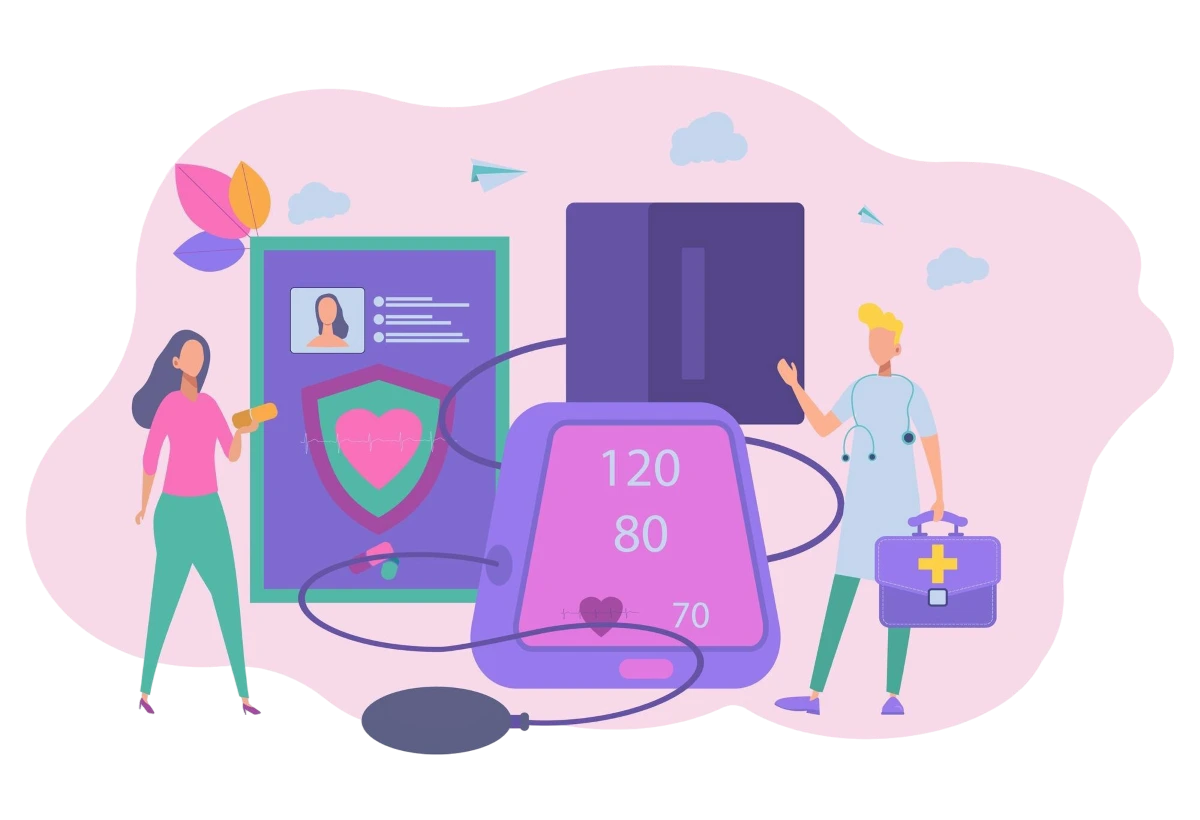
Biometric screenings can identify potential health risks, but identifying a risk does not necessarily lead to better health outcomes. For employers evaluating whether screenings justify the investment, research highlights three important considerations: effectiveness, accuracy, and cost.
Effectiveness: Do Screenings Improve Health Outcomes?
Biometric screenings can identify potential health risks, but evidence that screening alone leads to lasting improvements in health outcomes or behavior remains limited.
A systematic review examined 17 randomized trials of general health checks, with 15 trials reporting outcomes for more than 250,000 participants. Researchers found little or no effect on overall mortality, cardiovascular mortality, or major cardiovascular events. Although the review examined general health checks rather than workplace biometric screenings specifically, its findings raise questions about the benefits of routine screening.
In an editorial on employer-sponsored biometric screenings, researchers Bruce Sherman and Carol Addy similarly highlighted the limited evidence that screenings improve health outcomes or motivate behavior change. They also noted that annual testing may exceed recommended screening frequencies, although targeted screenings can help identify previously unrecognized health conditions.
Identifying health risks is not the same as improving health. For employers, the value of biometric screenings depends on whether the information leads to appropriate medical follow-up and meaningful action, rather than simply generating additional health data.
Accuracy: Do Screenings Tell the Whole Story?
Biometric measurements provide useful information, but individual indicators can be misleading without clinical context. For example, because BMI relies solely on height and weight, it cannot distinguish muscle from fat or fully account for differences in body composition.
One study that analyzed data from more than 40,000 adults found that:
- Nearly half of adults classified as overweight were cardiometabolically healthy.
- Approximately 29% of adults classified as obese were cardiometabolically healthy.
- More than 30% of adults classified as normal weight were cardiometabolically unhealthy.
The researchers estimated that approximately 75 million U.S. adults would be misclassified if BMI categories alone were used to determine cardiometabolic health. These findings reinforce the importance of interpreting screening results alongside other health indicators rather than relying on a single measurement.
Cost: Is the Investment Justified?
Biometric screenings involve expenses beyond testing, including vendor fees, program administration, employee time, and follow-up services. These costs can be difficult to justify when screenings do not consistently lead to measurable health improvements.
Additionally, employees identified as high-risk may already know about their conditions through previous medical appointments or ongoing treatment. Repeating these measurements may offer limited additional value unless employees receive meaningful support to address their health needs. Employers should weigh screening expenses against alternative investments, such as preventive care access, health coaching, and ongoing wellness initiatives.
The Bottom Line: Biometric screenings may help employees identify previously unrecognized health risks, particularly when access to routine healthcare is limited. However, screenings are most useful as a starting point rather than the foundation of an employee wellness program. Their value ultimately depends on whether the information leads to appropriate follow-up care, practical resources, and sustained support for employee well-being.
How to Incorporate Biometric Screenings Into a Wellness Program
For organizations that choose to offer biometric screenings, the goal should extend beyond collecting health measurements. A successful approach connects screening results to relevant resources, protects employee privacy, and measures whether the program leads to meaningful engagement. The following six steps can help employers incorporate screenings into a broader employee wellness strategy.
Step 1: Define the Purpose of the Screening
Before selecting a vendor, determine what the screening is intended to accomplish. Is the goal to increase employees' health awareness, encourage conversations with healthcare providers, or identify opportunities to improve wellness benefits? Establish clear objectives and consider what employees will gain from participating. Screening results should provide useful information and opportunities for follow-up, rather than simply satisfy a program requirement.
Step 2: Protect Privacy and Keep Participation Voluntary
Employees should understand what information is collected, who can access it, and how it will be used. Individual results should remain confidential, while employers generally receive only aggregated, de-identified information. Participation should be voluntary, and any incentives should undergo legal review to ensure compliance with applicable regulations.
Step 3: Make Screenings Accessible to All Employees
A single on-site event may exclude remote employees, shift workers, and individuals with scheduling conflicts. Offer multiple participation options, such as workplace screening events, participating laboratories, at-home collection kits, or physician results forms. Providing flexibility can reduce logistical barriers without pressuring employees to participate.
Step 4: Use Aggregate Data to Identify Workforce Needs
De-identified screening data can help employers understand broad workforce health trends and make more informed decisions about wellness programming. For example, if aggregate results suggest elevated blood pressure is common, employers might prioritize physical activity opportunities, stress management resources, and education about cardiovascular health. Similarly, elevated glucose trends may support greater investment in nutrition education or health coaching. Employers should avoid drawing conclusions from small groups or treating screening data as a complete picture of workforce health.
Step 5: Connect Employees With Relevant Support
Screening results are most useful when employees can act on them. Employees with concerning measurements should be encouraged to consult qualified healthcare professionals for interpretation and follow-up. Employers can complement clinical care with accessible wellness resources, such as movement challenges, nutrition programming, and health coaching. Importantly, employees should be able to choose resources that meet their needs without disclosing personal medical information to their employer.
Step 6: Measure Engagement Beyond Screening Completion
A high participation rate does not necessarily indicate a successful wellness program. Track engagement with follow-up resources, employee satisfaction, and participation in ongoing wellness activities. Where appropriate, evaluate longer-term trends using privacy-protective, aggregated data. These measures can help employers determine whether screenings are contributing value or whether resources would be better allocated elsewhere.
How Wellable Can Help
Wellable's Clinical Event Verification tool allows employees to submit documentation of completed biometric screenings and other qualifying clinical activities as part of a broader wellness program. Combined with ongoing wellness challenges, educational resources, and engagement initiatives, this approach allows organizations to recognize preventive health activities without making biometric screenings the centerpiece of their wellness strategy.
Alternatives and Complements to Biometric Screening
Biometric screenings are one way to increase health awareness, but they are not the only way to support employee well-being. Depending on an organization's goals, other wellness initiatives may complement screenings or offer a more practical use of available resources. Many of the recommended lifestyle changes are similar across the health risks biometric screenings measure. For example, regular physical activity, balanced nutrition, stress management, and access to preventive care can support cardiovascular and metabolic health, regardless of an employee's screening results.
Employers can consider several alternatives and complementary initiatives:
- Health risk assessments (HRAs): Voluntary questionnaires that help employees reflect on health habits and potential risk factors, although evidence of long-term effectiveness is limited.
- Preventive healthcare visits: Encourage employees to establish relationships with primary care providers and access recommended preventive services based on individual needs.
- Health coaching: Offer personalized guidance to help employees establish realistic goals and build sustainable healthy habits.
- Nutrition programs: Provide practical education, healthy eating challenges, and resources that support informed food choices.
- Physical activity challenges: Encourage regular movement through accessible, engaging activities that accommodate different fitness levels and abilities.
- Mental health and stress management resources: Support emotional well-being through mindfulness programs, counseling benefits, and stress management education.
The most effective approach depends on workforce needs, employee preferences, and available resources. Rather than treating biometric screenings as a prerequisite for wellness programming, employers can build flexible initiatives that encourage healthy behaviors and provide ongoing support.
For additional inspiration, explore Wellable's employee wellness program ideas






Beyond Biometric Screenings: Turning Insights Into Action
Biometric screenings can give employees useful information about their health, but information alone rarely leads to lasting change. What matters is what happens next. When employees receive results, they need accessible resources, appropriate medical guidance, and practical opportunities to build healthier habits. Without meaningful follow-up, screenings risk becoming another annual activity with limited long-term impact.
Whether or not an organization offers biometric screenings, effective wellness programs give employees ongoing opportunities to take charge of their health. From physical activity and nutrition initiatives to mental health resources and personalized coaching, employers can create supportive environments that make healthy choices easier and more sustainable.

Ready to build a wellness program that meets your employees' needs?
Take Wellable's Wellness Program Builder quiz to explore initiatives that align with your organization's goals, workforce, and budget.
Frequently Asked Questions
Biometric screenings are brief health assessments that measure physical indicators such as blood pressure, cholesterol, blood glucose, and body mass index (BMI). Often offered through workplace wellness programs, they help employees identify potential health risks and establish baseline health measurements that can inform conversations with healthcare providers.
Biometric screenings offered through workplace wellness programs generally must be voluntary under the Americans with Disabilities Act (ADA). Employers may offer incentives to encourage participation, but these must comply with applicable legal requirements. Employees should review their program's policies and ask HR about participation options, incentives, and privacy protections.
Fasting requirements depend on the tests being performed. Some blood panels require fasting for 9 to 12 hours, while others do not. Follow the instructions provided by your screening vendor or healthcare provider.
Employers generally should receive only aggregated, de-identified screening data, not individual medical results. Employees receive their own results directly from the screening provider. When screenings are administered through an employer-sponsored group health plan, identifiable health information is generally protected under HIPAA. Additional federal laws restrict how employers collect, access, and use employee medical information.
A typical biometric screening takes approximately 10 to 15 minutes. Fingerstick results may be available immediately, while laboratory blood test results usually take a few days.
A biometric screening measures physical health indicators through tests such as blood pressure readings and blood samples. A health risk assessment (HRA) is a questionnaire that asks employees about their medical history, lifestyle habits, and potential health risks. Employers often offer both to provide a broader picture of employee health.
Biometric screenings can help employees identify potential health risks and better understand their baseline health measurements. However, research has not consistently demonstrated that workplace screenings lead to sustained improvements in health outcomes or behavior. They are most valuable when paired with appropriate medical follow-up and ongoing wellness resources. Employers should weigh their costs against alternative wellness investments.