Wellness
 Rewards
 Recognitions


 Learn more about Wellable's all-in-one
employee engagement platform
Learn more about Wellable's all-in-one
employee engagement platform




In this week’s episode, Nick and Geoff dig into two surveys that together reveal how Gen Z workers are managing their energy, focus, and mental health at work. New data on “micro joys” shows that short, restorative breaks are already happening with or without employer support—and the data makes a compelling case for getting ahead of the trend. Then, a landmark finding that daily marijuana use has surpassed daily alcohol consumption for the first time raises questions most employers have not answered.


Short on time? Here are the key takeaways:
- 77% of Gen Z workers are already intentionally building “micro joys” into their workday, and 82% say they have their best ideas away from their desk
- Breaks are happening with or without employer support, and the case for sanctioning them is both a productivity and a culture argument
- Gen Z’s top workplace perks are healthy snacks and beverages and more time outdoors, both at 43%, far ahead of extra days off at 24%, signaling a generational shift toward making the workday itself more sustainable rather than just maximizing time away from it
- In a tight labor market, many employees are reluctant to step away without an explicit organizational endorsement, which is why employer-sponsored break tools matter not just for the break itself but for the permission they signal
- Daily marijuana use in the US has surpassed daily alcohol consumption for the first time, with Gen Z being the only generation where marijuana use now exceeds alcohol use after work
- 51% of Gen Z workers report using THC during the workday, and 52% of the full workforce across all generations report self-medicating in some form during work hours
Episode Summary
The Microjoy Case: Why Breaks Are Already Happening
Seventy-seven percent of Gen Z workers say they already intentionally build small moments of enjoyment into their workday, known as “micro joys”. The question for employers is not whether this is happening but whether they are going to sanction and support it or let it happen without any structure or acknowledgment.
Nick’s framing is direct: you are either fighting a current or working with it. If the vast majority of a generation that is rapidly becoming the largest share of the workforce is already taking intentional breaks, the argument for getting ahead of that behavior rather than ignoring or discouraging it is straightforward. The data backs it up on productivity grounds as well. Seventy-nine percent say breaks make their day more enjoyable, 75% say breaks help them perform better, and 82% say they have their best ideas away from their desk. That last figure is the one employers should sit with.
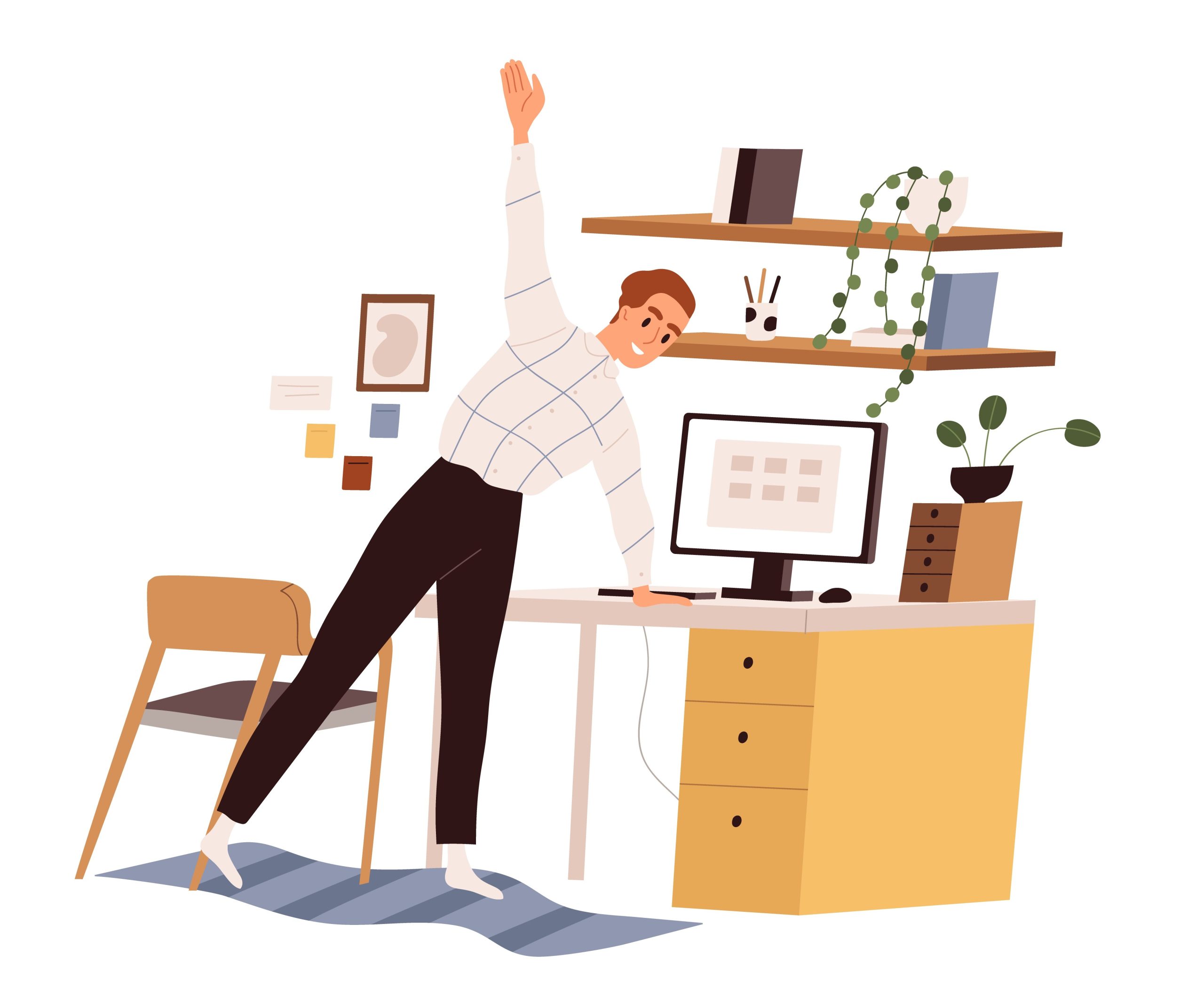
Geoff connects this to something Wellable has observed directly through its Bright Breaks product: the value of an employer-sponsored break tool is not just the break itself but the permission it signals. In an environment where employees worry about how it looks to step away, particularly in a tight labor market with ongoing layoffs, having an employer explicitly endorse and resource breaks removes the psychological friction of doing so. This tells the workforce that the organization values sustainable working over performative busyness.
The specific perks Gen Z gravitates toward reinforce this. Healthy snacks and beverages and more time outdoors both ranked as top perks at 43%, far ahead of extra days off, which only 24% of Gen Z respondents ranked as a top perk. Nick notes that this is a meaningful generational shift: previous generations often treated PTO as the primary lever employers could pull to signal investment in work-life balance. Gen Z is saying something different. They want the workday itself to be sustainable, restorative, and human, not just the time away from it.
Marijuana in the Workplace: The Policy Gap Nobody Is Talking About
A new milestone: daily marijuana use in the United States has surpassed daily alcohol consumption for the first time. For Gen Z specifically, marijuana use now exceeds alcohol use entirely. The workplace dimension of this data is where the conversation gets genuinely complex.
More than 51% of Gen Z workers report using THC during the workday. And this is not a Gen Z-only story: a Modern Health study cited in the article found that 52% of the full workforce, across all generations, report self-medicating in some form during working hours, with THC and marijuana being the primary substance. Sixty-three percent of workers engage in at least one form of self-medication after work.
Nick’s point is that these numbers are high enough to challenge any employer’s assumption that this is not happening in their organization. If more than half of workers are self-medicating during work hours in aggregate, the idea that a specific company is an exception requires a meaningful explanation. More likely, it is happening in the shadows in ways that are genuinely difficult to detect. Edibles, in particular, create a parallel to the vaping trend: just as people moved from visible cigarette smoking to discreet vape pens that can be used without leaving a desk or a Zoom call, marijuana via edibles has become something that can happen without any of the visible signals that historically tipped off employers or colleagues.
The policy gap is the crux of the issue. Most corporate drug and substance policies were written in an era before widespread marijuana legalization, and many have not been meaningfully updated. Geoff raises the example of union agreements in some industries that explicitly allow a certain number of drinks during a work break, asking whether those agreements would ever be extended to marijuana, and whether that conversation is even happening. Nick points to a simpler but equally unresolved scenario: a company hosts a corporate event and serves alcohol. Is marijuana use before or during that event treated the same way? Most companies do not have a clear answer.
Nick is careful not to take a position on the normative question of whether workday marijuana use is acceptable, but his practical point is that employers need to figure out where they stand. The rise of legalization, the scale of use, and the gap between current policies and current reality is a combination that will eventually produce an incident, and organizations that have not thought through their framework will be unprepared to respond consistently or fairly.
Frequently Asked Questions
Micro joys are small, restorative moments during the workday that make work more enjoyable and sustainable — a short walk, a snack break, a few minutes away from a screen. New survey data shows that 77% of Gen Z workers are already intentionally building these into their day. The employer implication is that breaks are happening regardless of whether they are endorsed. The question is whether to get ahead of the behavior with a structure that maximizes its restorative value, or leave it unacknowledged and lose the opportunity to reinforce a positive workplace culture signal.
Survey data shows Gen Z’s top-ranked perks are healthy snacks and beverages and more time outdoors, each at 43% — both significantly ahead of PTO, which only 24% ranked as a top perk. The pattern suggests Gen Z is less focused on time away from work and more focused on making the workday itself more human, sustainable, and enjoyable. Employers who design around that preference, rather than defaulting to PTO as the primary lever, are likely to see stronger engagement from younger workers.
In a labor market characterized by ongoing layoffs and economic uncertainty, many employees are reluctant to step away from work for fear of being perceived as less committed or productive. An employer that explicitly endorses breaks, particularly through a structured tool or program, removes that psychological friction. Nick describes this as giving people permission to recharge, and notes that the product itself becomes the signal that the organization values sustainable working over performative busyness.
Daily marijuana use in the US has surpassed daily alcohol consumption for the first time. For employers, the relevant dimension is not the macro cultural trend but the workplace behavior it reflects. More than 51% of Gen Z workers report using THC during the workday, and 52% of the full workforce report some form of self-medication during work hours. Most employer drug policies were written before widespread legalization and have not been updated. That gap between current policy and current reality is a risk that will eventually surface in ways that are difficult to manage without a clear framework.
Nick draws a direct parallel. Just as cigarette smoking was visible and detectable in a way that made it easy for employers to monitor, vaping moved the behavior into the shadows by making it discreet enough to happen at a desk or between calls. Marijuana via edibles has followed the same trajectory. Unlike alcohol, which leaves visible and olfactory signals that are difficult to conceal, low-dose edibles can be consumed without any of the traditional indicators employers relied on. This means the behavior is likely more prevalent in most workforces than HR teams realize.
Nick stops short of prescribing a specific policy but identifies the gap clearly: most employer drug and substance policies have not been updated to reflect the reality of widespread marijuana legalization and use. The conversation employers need to have includes distinguishing between medical and recreational use, determining whether workday use is categorically unacceptable or context-dependent, and clarifying how marijuana fits relative to existing policies around alcohol. That conversation is not happening at scale in HR circles right now, and the window to get ahead of it is narrowing as use continues to rise.
Full Episode Transcript
Nick: Welcome to the Wellable Weekly Podcast, where we talk about key topics and trends at the intersection of wellbeing, technology, and HR. I’m Nick, along with my good friend Geoff. Geoff, nice little background you got there.
Geoff: I always say the same thing about you. Nice to have my own greenery here at the Wellable HQ.
Nick: As Geoff alluded to, we normally record from different locations, but Geoff is in Boston right now. We’re both in the same office, but our podcast studio setup isn’t really conducive for us to literally be in the same room, which is a shame and something we need to change. Speaking of perks — and the plant game at our office is definitely one of them — there’s an interesting survey about Gen Z workers. They asked about things that sustain them throughout the day or preferences they want in their workplace. This term micro joys came up. The article defines micro joys as small moments that make the workday more enjoyable, productive, and sustainable. The main takeaway from the survey is that Gen Z operates through a kind of microjoy, or what I would call a break culture.
Geoff: It’s a refreshing headline. So much of what we talk about and what’s on the minds of the average worker right now is productivity and efficiency and using AI to support those goals, which are inherently worthwhile. But naturally, at the expense of that kind of tunnel vision approach, you probably forget about some of the classic tried-and-true methods for sustainable working. Taking breaks is absolutely part of that. There’s so much evidence supporting the power of breaks and the need for everyone to refresh and reset. Leave it to Gen Z to remind us of that.
Nick: Gen Z is always described as redefining the workplace, and they’re becoming an increasingly larger percentage of the total workforce. This is a good way they’re being genuinely additive. The reality is every generation should have a break culture. This is a good thing across the board. Gen Z seems to have adopted it, and hopefully they can influence older generations. Some numbers from the survey: 79% said taking short breaks makes their workday more enjoyable. 75% said breaks help them perform better. 82% of respondents said they are most likely to have their best ideas when they are not at their desk. And if you’re an employer thinking, well, of course Gen Z wants to be away from their desk, what’s in it for me — the argument is that a refreshed employee is a better employee. These are short, restorative breaks, not two-hour disappearing acts. They often lead to more work. You get your best idea during a break and away from your desk. It’s kind of like working.
Geoff: Hard work and productivity can coexist with work joy and taking time to reset — personally, but also with colleagues. You don’t have the classic water cooler or coffee machine interactions like you once did, but there are certainly new ways to wind down and reset together. This whole concept of breaks is entering a new era, and some of that is being driven by generational workforces leaning into it. Even in our own product — we have a feature called Breaks, from a company called Bright Breaks that we acquired late last year — it has been so popular, both with our own employees and with our clients. It really is that consistent positive, healthy reminder of the importance of breaks. Something that only takes a couple of minutes out of your day but can make a big difference in your overall mental health and productivity when you pick that project back up or go into that meeting in a more focused and positive way.
Nick: I remember talking to David, the CEO and founder of Bright Breaks. When you ask any founder what their product does, there’s the technical answer and then there’s the bigger picture. He said something off the cuff that always stuck with me: the product gives people permission to take a break. We provide resources for people who are unsure what a good break looks like, but just by offering Bright Breaks, a company is telling employees this is permission to recharge yourself, to restore yourself, to come back better than you were before the break. That’s a really important dynamic. The product itself is the permission people need. In a culture where Gen Z is latching onto micro joys and senior management may be from a generation that doesn’t necessarily appreciate that, it goes a long way to give that permission — not just to Gen Z, but to the entire employee base — by saying we value these things, we’re giving you resources to do it.
Geoff: Permission is the key word. There’s a connotation with taking a break where some employees, especially in a tight labor market with ongoing reductions in force, may feel concerned about how they’d be perceived. To have an employer-sponsored or employer-encouraged version of a break just frees everyone up to do something that comes naturally when they need a reset, and gives them that nudge. In a very calendar-driven way of working, if it’s not scheduled it may not get done. Having a daily reminder to take that five or seven minute break — even if you don’t take it every day — works like the Apple Watch reminder to stand or move. A reminder to reset and give yourself a mental break.
Nick: And if you need another reason beyond Jeff and Nick endorsing the break concept: the survey found that 77% of Gen Z employees are already intentionally building small moments of enjoyment into their workday. They’re doing it anyway. You may as well just support it. The survey also covered perks, and the two top perks for Gen Z are healthy snacks and beverages, and more time outdoors — both at 43%. For context, PTO only ranked as a top perk for 24% of respondents. That’s a big indication that what Gen Z values is very different from previous generations.
Geoff: It’s a progressive mindset of work-life integration. Gen Z realizes they have a lifetime of work ahead of them. Being able to go to a place where they feel comfortable, have access to things that make them feel good, and not be stuck inside for an entire workday — whether that’s access to a park, a trail system, or even just a very walkable city — can deliver real boosts of joy and energy. Which is a transition to the other article: we just talked about positive, commonly accepted activities to lean into. The next topic is a bit more controversial: marijuana use. America has hit a major milestone — daily marijuana use has surpassed daily drinking for the first time. This has been a trend building for several years, really gaining momentum in the early 2020s, and now we have more people using marijuana daily than alcohol. And there’s an interesting workplace dimension here: more than 51% of Gen Z specifically reported using THC during the workday.
Nick: This is a Gen Z story, but it’s not only a Gen Z story. Gen Z is the only generation where marijuana use exceeds alcohol use. But as a general trend, liquor and beer company stocks are all down — partly because of GLP-1s and reduced alcohol consumption more broadly, and partly because Gen Z is just choosing to drink less. When they do engage with mind-altering substances, it tends to be marijuana. And that will only grow as that generation becomes a bigger share of the workforce. There’s a connection to something we talked about several episodes ago: the study on how people cope with mental health challenges differently, where THC and marijuana was the most common alternative coping mechanism, especially in the Gen Z cohort, but increasingly across every generation. There’s also a Modern Health study referenced in the article: 63% of the workforce engages in at least one form of self-medication after work, and 52% have self-medicated during the workday. That goes beyond just marijuana, but it’s primarily THC. These numbers are high enough that it would be truly extraordinary for any employer to believe this isn’t happening in their organization at some material level. And most employer policies haven’t been updated to reflect the rise of marijuana legalization and use. Can someone consume marijuana before or during a company event where alcohol is being served? Is that okay? Most companies do not have a clear answer.
Geoff: So much has to be updated to account for things like this. Even union agreements where workers can have a certain number of drinks on a work break — would that ever extend to marijuana? The question is also how much of an issue this actually is, depending on who you ask. Senior medical analysts in the article describe it as a very disturbing trend. But because of the normalization of marijuana use, maybe more in certain parts of the US or in certain generations, there’s potentially less attention going into how a substance like this, just like alcohol, can impact mental performance, judgment, and memory. It would be hard to make the case that advocating for marijuana use during the workday wouldn’t have potential negative effects on someone’s ability to do their job. But it’s happening in the shadows, and employers probably don’t have a real understanding of what impact it’s having.
Nick: The shadow piece is important. Tobacco use has gone down substantially, but vaping has gone up substantially. Vaping allows people to have that experience in the shadows — at their desk at home, between meetings, without going outside to smoke a cigarette. You talk to HR folks about tobacco cessation and they say we don’t really have many smokers. That may be true in the traditional sense, but statistically vaping is probably more common than they realize. The same thing happens with marijuana. Edibles and other discreet consumption methods make it genuinely hard to detect in the way that alcohol, with its smell and other physical signs, is harder to conceal. Short of obvious impairment, someone could be using small doses of edibles throughout the day. And there’s a nuance here that doesn’t exist with alcohol: marijuana entered legalization as a medication, not just a recreational drug. There are people for whom micro-dosing to reduce anxiety is a genuinely endorsed use case. The debate that doesn’t happen with alcohol — whether a substance can legitimately support performance or wellbeing in certain doses — is at least theoretically a debate worth having with marijuana. But that conversation is not happening in HR circles or in leadership teams. I’ve talked to a lot of HR professionals and benefits brokers, and this topic almost never comes up. These numbers suggest it needs to start.
Geoff: I don’t think organizations want to tackle it. Maybe they’re content to let it happen in the shadows because it’s a really difficult problem to establish policy around with so many nuances. And they may not be noticing many direct repercussions from letting it go without a structured policy. But it’s obviously a real and significant part of the workday for a meaningful portion of employees.
Nick: Agreed.
Geoff: Well, maybe that’s a good place to wrap up for today. Thanks as always for those who tune in. You can get the Wellable Weekly Podcast on Spotify, Apple Podcasts, or wherever you get your podcasts, and be sure to subscribe to the Wellable Weekly newsletter for all the latest insights. Thank you.
-
Share
-

-

-

-