Wellness
 Rewards
 Recognitions


 Get free monthly wellness content to elevate
your wellness program
Get free monthly wellness content to elevate
your wellness program






Pressed for time? Here are key takeaways:
- On-demand fitness classes increase participation by removing time and location barriers, ensuring wellness programs remain accessible for hybrid, remote, and in-office teams.
- Flexible fitness options support employee mental health, productivity, and engagement by making movement easier to integrate into the workday.
- Regular physical activity helps reduce chronic health risks and absenteeism, strengthening employee well-being and workplace stability.
- On-demand fitness is a scalable, cost-effective investment in workforce health, especially when integrated strategically with incentives, tracking technology, and broader wellness initiatives.
What is On-Demand Fitness?

On-demand fitness provides access to pre-recorded or live-streamed workout classes, allowing users to engage in physical activity whenever and wherever it suits them. While at-home fitness has existed for decades, today’s on-demand model reflects a clear shift in how employees engage with movement.
On-demand fitness can take several forms in the workplace, including:
- Virtual fitness platforms (e.g., apps, streaming services)
- Recorded video libraries (e.g., yoga, HIIT, dance)
- In-person digital hybrid experiences (e.g., Peloton classes in workplace gyms)
The Role of On-Demand Fitness Classes in Employee Wellness Programs
On-demand fitness strengthens employee wellness programs by removing common barriers to behavior change. By reducing logistical friction, minimizing scheduling conflicts, and eliminating location constraints, on-demand programs make physical activity more accessible across hybrid and remote work environments. These classes also lower psychological resistance by offering private, self-paced options that reduce intimidation and perfectionism. Overall, on-demand formats decrease the “activation energy” required to begin, narrowing the gap between intending to exercise and actually getting started.
Why On-Demand Works:
- Seamless Integration: Combines well with other wellness initiatives like mindfulness resources, nutrition guidance, and resilience training.
- Scalability: Suitable for remote, hybrid, and in-office teams, increasing accessibility for all employees regardless of schedule or location.
- Customization: Offers a range of intensity levels, class durations, and targeted goals (e.g., stress relief, strength building, mobility).
The Benefits of Offering On-Demand Fitness Classes for Employees
1. Encourages Participation through Flexibility
On-demand fitness allows employees to move when it best fits their energy levels, schedules, and routines. These classes also remove location barriers, making it easy to exercise at home, in the office, or while traveling. As hybrid and remote work remain common, flexible fitness options that support when, where, and how employees move can drive higher participation and wellness program engagement.
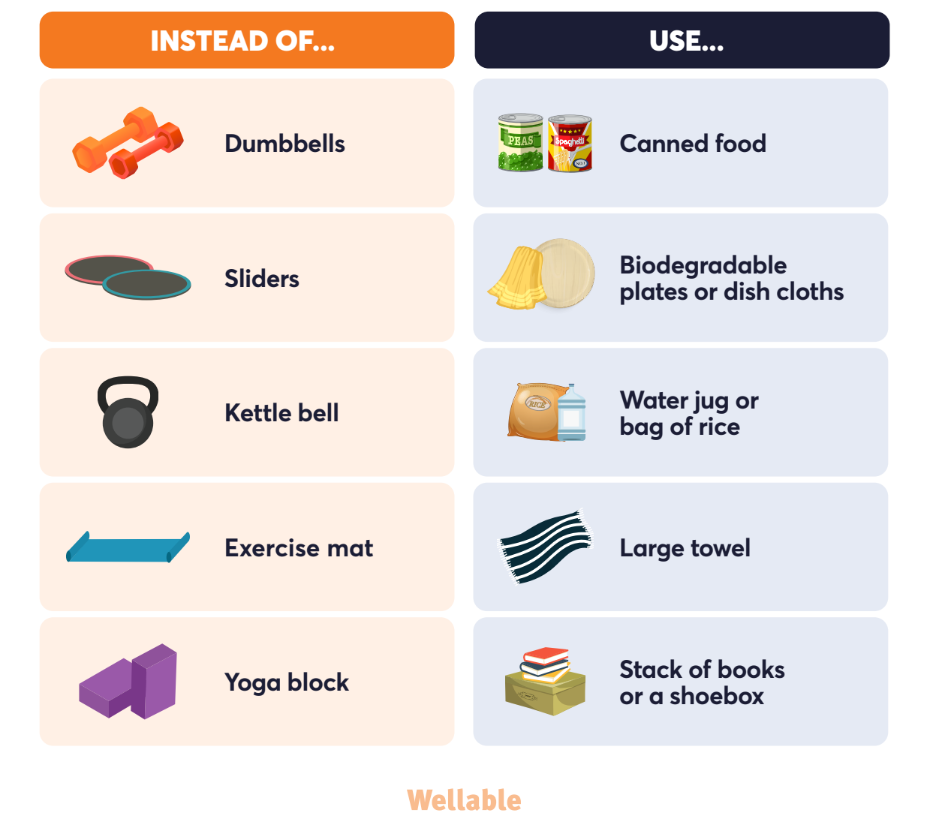
For employees choosing to work out at home with on-demand classes, these simple swaps make it easy to stay active without specialized equipment:
2. Adapts to Employee Needs
Platforms typically offer a wide range of formats including cardio, yoga, Pilates, strength training, and mobility. This variety supports employees across different fitness levels, abilities, and interests, making movement more inclusive.
Wellable’s On-Demand solutions provide accessible resources for a wide variety of needs:
- Short on time? Access a library of over 1,000 classes from top trainers across the globe to deliver exclusive content for all fitness levels.
- Recovering from an injury? Try chair workouts, mobility sessions, self-massage tutorials, and therapeutic warm up and cool down classes to move safely while healing.
- Trouble sleeping? Explore sleep stories, mindfulness sessions, and restorative yoga classes designed to help employees unwind, regulate stress, and prepare for more restful sleep.
- Need a quick workout? Access 5- to 20-minute workouts for HIIT, yoga, strength, cardio, and more to stay active on a tight schedule.
3. Supports Employee Mental Health
According to research, regular physical activity is linked to lower levels of anxiety and depression, as well as improved mood. Mindfulness-based movement, such as yoga and gentle stretching, builds on these fitness benefits by combining physical activity with breathwork and mindfulness to further support mental health and stress regulation. On-demand access makes it easier for employees to use movement as a practical, consistent tool for managing daily stress, rather than accumulating stress and risking burnout and poor work performance.
4. Increases Job Satisfaction
In organizations with established wellness programs, nearly 90% of employees report feeling happy and engaged in their roles. These programs often include on-demand fitness classes along with a variety of other resources to support multiple dimensions of well-being. When resources are seamlessly embedded into the employee experience and highly accessible regardless of location, they transform well-being from a perk into a powerful driver of engagement and performance.
5. Boosts Productivity
Exercise supports cognitive function by improving concentration, memory, and energy levels. These benefits translate directly to workplace performance, particularly in roles that require sustained focus or problem-solving. Even short movement sessions can help employees return to work feeling more alert and productive.
6. Reduces Absenteeism
The World Health Organization reports that regular physical activity reduces the risk of chronic conditions like cardiovascular disease and type 2 diabetes while strengthening muscles and joints. This is especially important in workplace settings, where musculoskeletal disorders like low back pain and repetitive strain injuries are leading causes of disability and missed workdays. Notably, research links comprehensive workplace wellness programs to reduced absenteeism costs, supporting employee health and organizational continuity.
7. Promotes Equity in Corporate Wellness
On-demand fitness levels the playing field for remote employees, shift workers, caregivers, and those in different time zones, ensuring wellness offerings are accessible to a broader and more diverse workforce.
8. Builds Sustainable Healthy Habits

Unlike one-time wellness events or sporadic live classes, virtual fitness supports consistency by providing 24/7 access to a robust content library. Employees can stack short sessions throughout the week, revisit favorite formats, and build routines that fit naturally into their schedules. This sustained access helps reinforce long-term behavior change rather than short bursts of motivation.
9. Creates a Supportive Entry Point
On-demand fitness creates a psychologically safe entry point for movement by allowing employees to participate privately and at their own pace. With the ability to pause, rewind, or select beginner-friendly options, individuals can build confidence without the pressure of live group settings. This supportive corporate wellness environment encourages broader participation, particularly among employees who may feel intimidated by traditional fitness spaces.
10. Provides a Cost-Effective Benefit
Compared to on-site gyms or subsidized memberships, on-demand corporate wellness platforms require minimal infrastructure while reaching a larger audience. This makes on-demand employee fitness a scalable, budget-conscious option for employers that delivers value across distributed teams without sacrificing impact.
Best Practices for Incorporating On-Demand Fitness into Wellness Programs
1. Use Fitness Tracking Technology
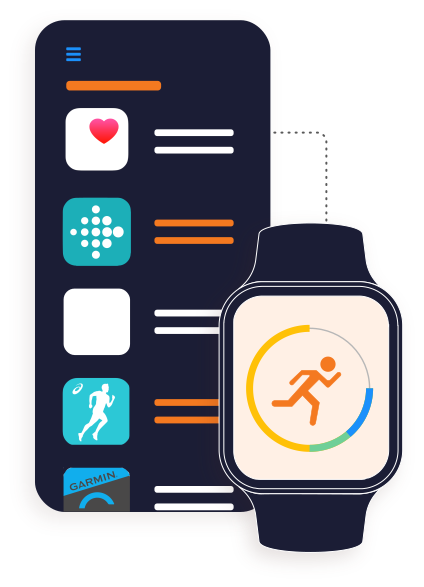
- Encourage wearable integration (e.g., Apple Watch, Fitbit, Garmin) to promote goal tracking and boost engagement.
- Use platforms that support real-time feedback, personalized recommendations, or adaptive programming based on activity trends and engagement data.
2. Measure Outcomes and Success
- Adopt a VOI (Value on Investment) approach to evaluate program impact on productivity, morale, retention, and employee engagement rather than a traditional ROI (Return on Investment) framework.
- Leverage platform analytics to track participation rates, class completion, and repeat engagement across fitness formats.
- Collect qualitative insights through pulse surveys or post-program feedback to understand what types of movement resonate most with employees and where gaps remain.
3. Offer Incentives for Participation
- Offer lifestyle spending accounts (LSAs) to reimburse fitness-related expenses such as exercise equipment, wearable devices, and recovery tools.
- Reinforce engagement with points-based systems, raffles, or milestone rewards tied to participation rather than performance.

4. Integrate with Broader Wellness Initiatives
- Pair on-demand fitness classes with complementary offerings such as nutrition education, sleep health initiatives, stress-management workshops, or ergonomic resources to reinforce a holistic approach.
- Embed fitness into company-wide wellness challenges, virtual health fairs, or seasonal wellness campaigns to increase visibility and social connection.
5. Promote and Normalize Participation
- Feature on-demand fitness classes in weekly wellness newsletters, intranet spotlights, or dedicated Teams or Slack channels to keep offerings visible and top of mind.
- Encourage leaders to share personal participation, highlight favorite classes, or recognize employee milestones to normalize engagement and embed on-demand fitness into workplace culture.
 The Future of On-Demand Fitness at Work
As organizations evolve to meet the diverse needs of a distributed workforce, on-demand fitness will continue to gain relevance. Flexible, inclusive, and accessible wellness offerings are meaningful investments in a healthier, more productive workforce.
Interested in bringing on-demand fitness to your organization? Book a Wellable trial here!
Frequently Asked Questions
-
Share
-

-

-

-