Wellness
 Rewards
 Recognitions


 Learn more about Wellable's all-in-one
employee engagement platform






Pressed for time? Here’s a quick summary…
- Women’s health needs evolve across life stages, highlighting the need for flexible, inclusive workplace support throughout an employee’s career.
- A comprehensive approach to women’s health extends beyond reproductive care to include mental health, heart health, bone health, chronic conditions, caregiving, perimenopause, and menopause.
- Employers can remove common health barriers through flexibility, preventive care, clear benefits communication, caregiver support, education, and relevant wellness programming.
- Effective women’s health programs can start small by identifying employee needs, reviewing existing resources, engaging leadership, and adjusting initiatives based on feedback and results.
Women represent 47% of the U.S. workforce, yet many still face significant challenges in accessing appropriate care. According to the McKinsey Health Institute, women spend 25% more of their lives in poor health than men, and much of this health gap occurs during their working years. These health challenges can directly affect the workplace. For example, a global survey found that 70% of women lose one to five days of productivity each month because of women’s health issues. Despite the widespread impact, only 10% feel adequately supported by their employers.
Supporting women’s health at work requires recognizing that health needs can change throughout a person’s career, from menstrual and reproductive health to perimenopause, menopause, and healthy aging. Employers have an opportunity to create workplaces that respond to these evolving needs with greater flexibility, education, resources, and support.
This guide breaks down women’s health needs across life stages, takes a closer look at perimenopause and menopause (two often-overlooked transitions that can affect employees’ comfort, concentration, and productivity), and outlines practical steps employers can take, many of which do not require changing the organization’s health plan.
What Does Women’s Health at Work Mean?
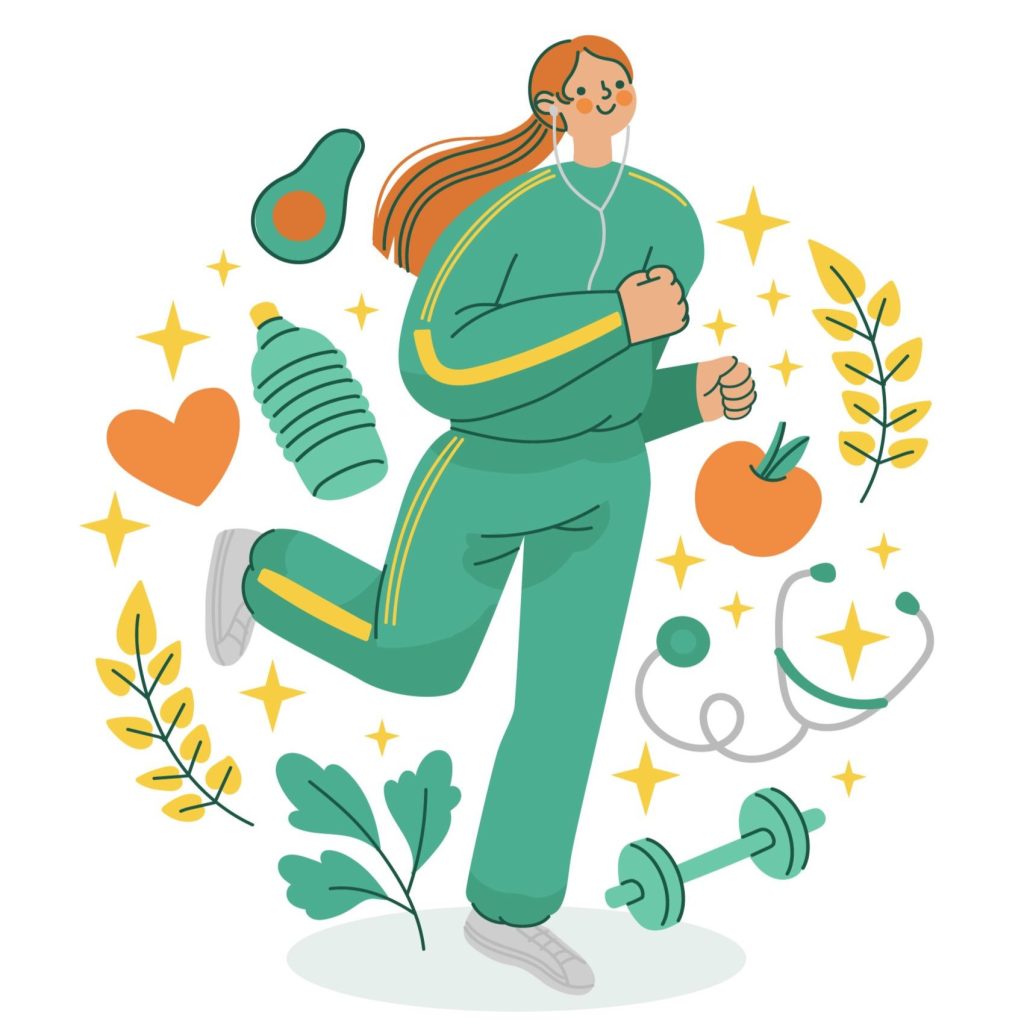
Women’s health at work refers to the policies, benefits, workplace culture, and wellness programs that address health needs that affect women differently or more often than men. Effective support recognizes these needs across different life stages and considers how the workplace can reduce barriers to health and well-being.
Women’s health extends well beyond reproductive health. It includes conditions and challenges related to heart health, mental health, autoimmune diseases, bone health, menstruation, pregnancy, perimenopause, menopause, and caregiving strain. Some of these concerns disproportionately affect women, while others may present differently or create distinct challenges throughout their lives.
For employers, supporting women’s health is a workforce issue as well as a health issue. Unmet health needs can affect attendance, focus, retention, and career progression, making thoughtful workplace support an important part of an inclusive employee experience.
Why Women’s Health at Work Matters
Gaps in women’s health support can create measurable costs for employees and employers. From reduced productivity to turnover, the business case for addressing these needs extends beyond improving employee well-being.
- Productivity: Menstruation-related symptoms can reduce productivity even when employees remain at work. The impact can be substantial. For example, around 80% of women surveyed reported presenteeism (working while health symptoms limit productivity), resulting in an average of 8.9 days of lost productivity per year. Presenteeism accounted for more than seven times as many lost productive days as absenteeism.
- Retention: Menopause symptoms such as fatigue, sleep disruption, and difficulty concentrating can make work more challenging, especially without adequate support. According to research, two in five women considered finding or found a new job because of menopause, while one in four considered not pursuing or did not pursue a leadership opportunity.
- Caregiving load: Women in the U.S. provide 2.2 times more unpaid family caregiving per day than men. This unequal burden can affect health, well-being, and workforce participation.
- Healthcare decisions: Women shoulder an estimated 80% of family medical decision-making responsibilities. Supporting women’s health can therefore have a ripple effect on how families navigate care and healthcare resources.
- Economic upside: Closing the women’s health gap could add at least $1 trillion to the global economy annually by 2040. Research also estimates that every $1 invested in women’s health could generate approximately $3 in economic growth.
Women’s Health Needs at Every Life Stage
Early Career: 20s to Early 30s
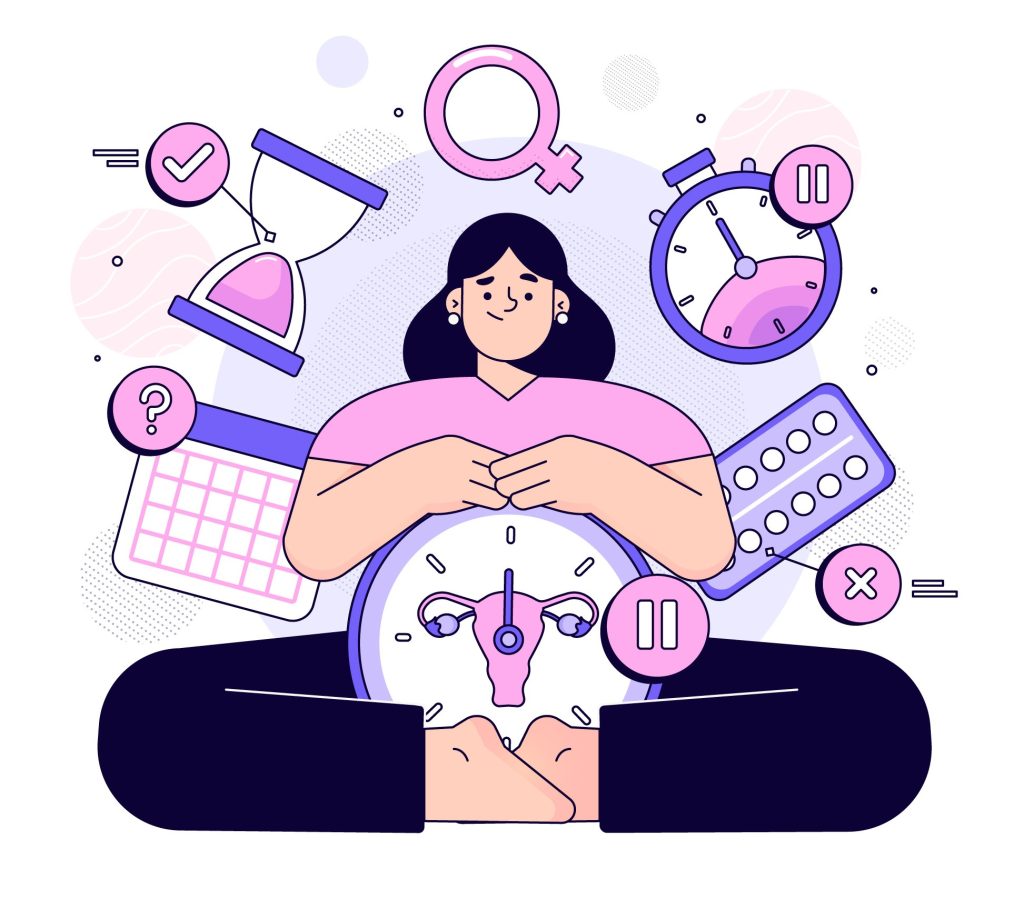
For women in their 20s and early 30s, health needs often include menstrual health, mental health, preventive care, and managing conditions like endometriosis and polycystic ovary syndrome (PCOS). According to the World Health Organization, endometriosis affects approximately 10% of reproductive-age women worldwide, while PCOS affects an estimated 10% to 13%. These concerns can affect employees well before they consider pregnancy or parenthood, reinforcing why workplace support for women’s health should extend beyond reproductive benefits.
Menstrual symptoms, such as pain, fatigue, headaches, and heavy bleeding, can make it harder to concentrate or work comfortably. Conditions like endometriosis and PCOS can make managing these symptoms even more difficult. Endometriosis, for example, can cause severe pelvic pain and other symptoms that interfere with daily activities, while PCOS may require ongoing care to manage symptoms and associated health risks. Mental health also deserves attention during this life stage, particularly because women experience depression and anxiety at higher rates than men.
Employers can help remove everyday barriers by:
- Providing period products in workplace restrooms so employees can easily access basic menstrual health supplies when needed.
- Offering flexible sick time and mental health resources that give employees options to manage physical and emotional health needs without unnecessary workplace barriers.
- Encouraging preventive care by giving employees flexibility to attend annual checkups, screenings, and other routine healthcare appointments.
Family Planning and Parenthood
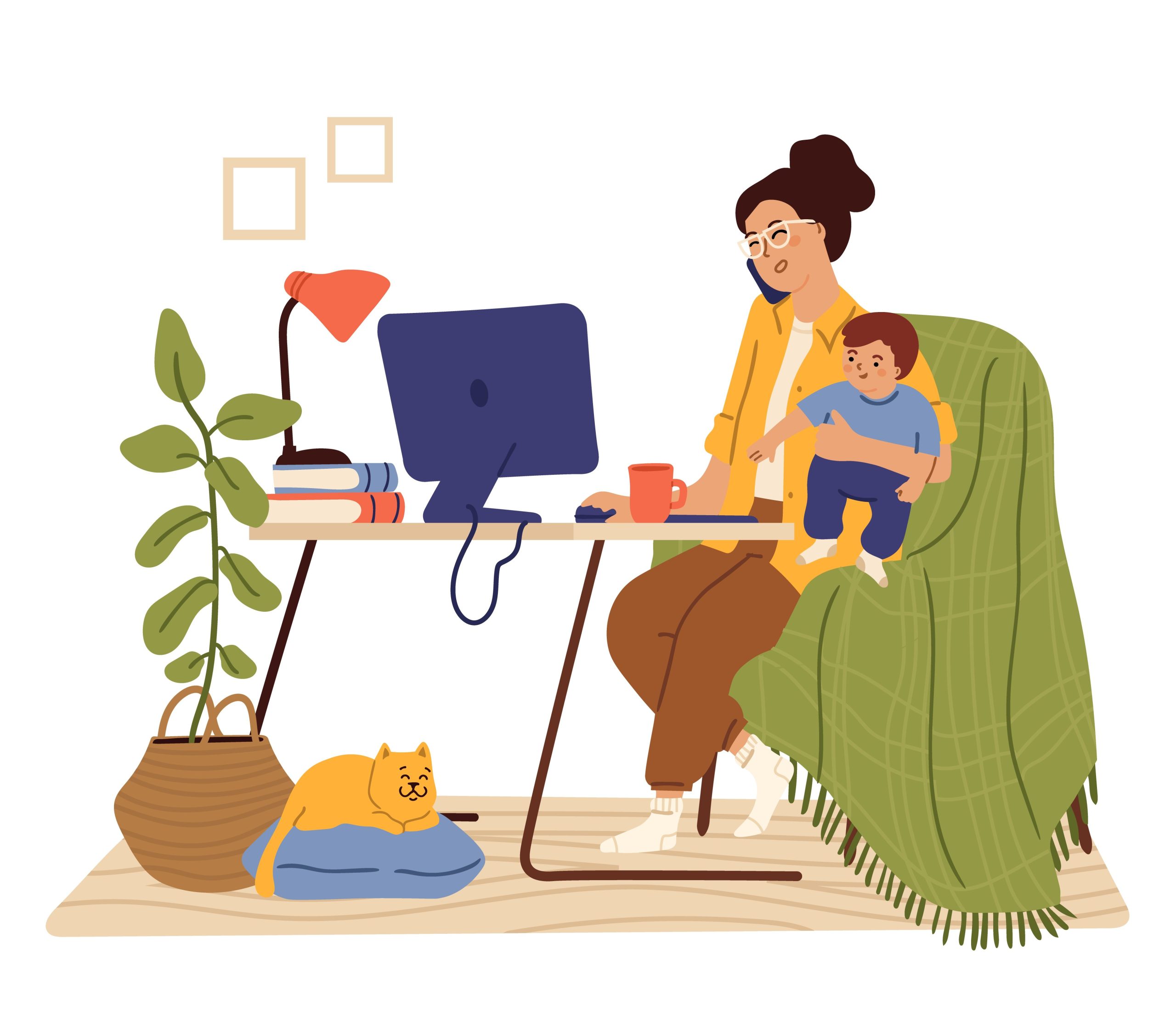
Family planning and parenthood can bring a wide range of health needs, from fertility care and pregnancy to postpartum recovery and lactation. Employees may need time for fertility treatments or prenatal appointments, workplace accommodations during pregnancy, and continued support after returning from parental leave. These needs can affect employees’ physical and emotional well-being as they navigate recovery, infant care, disrupted sleep, and new responsibilities at home.
The postpartum period deserves particular attention. Physical recovery can continue after an employee returns to work, while postpartum depression and anxiety can affect mental health, concentration, and daily functioning. Employees who breastfeed may also need adequate time and privacy to pump during the workday.
Employers can make this transition easier by:
- Providing paid parental leave and flexible return-to-work options, such as phased schedules or temporary adjustments to hours and workload.
- Creating accessible, private lactation spaces and allowing adequate break time for employees who need to pump.
- Supporting postpartum mental health through employee assistance programs, mental health benefits, and clear communication about available resources.
Midlife: Late 30s to 50s
Midlife brings overlapping health and life changes. Heart health becomes increasingly important, perimenopause introduces physical and emotional changes, and many women balance caregiving responsibilities for children, aging parents, or both.
Employers can support midlife employees by offering flexible scheduling for medical appointments and caregiving responsibilities, connecting employees with caregiver resources, and incorporating heart-health education, physical activity, and stress management into wellness programs. These strategies can help employees care for their own health while managing responsibilities outside of work.
Another major consideration during midlife is the menopause transition. Because symptoms can affect sleep, concentration, comfort, and work performance, this life stage deserves a closer look.
Perimenopause and Menopause at Work
Menopause is a normal life stage, but its symptoms can create real challenges in the workplace. More than 75% of women work throughout their menopause transition, which often coincides with important years for career growth and leadership opportunities. Supporting employees during this transition can help organizations retain experienced talent and create a more inclusive workplace.
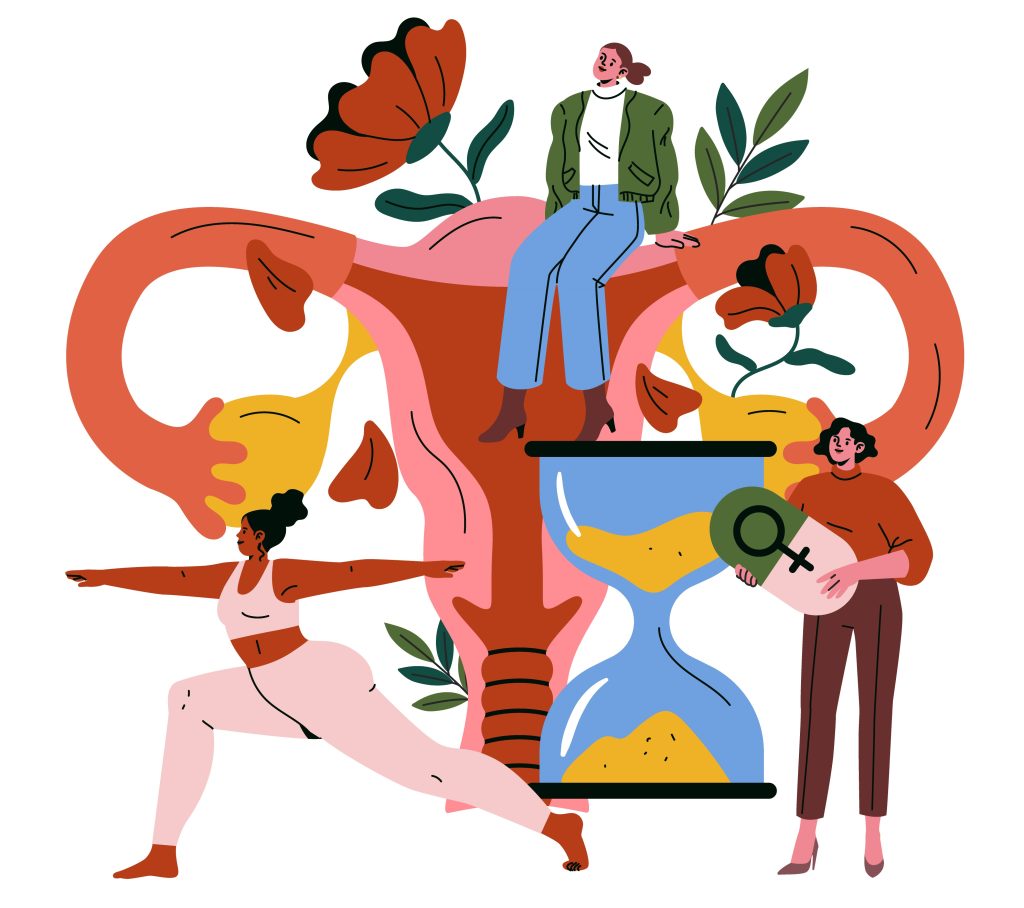
Perimenopause vs. Menopause: What’s the Difference?
Although people often use “menopause” to describe the entire transition, it includes several stages:
- Perimenopause is the transition leading up to menopause. It often begins in a woman’s 40s, although it can start earlier or later. During this time, hormone levels fluctuate, periods may become irregular, and symptoms, such as hot flashes and sleep problems, can begin. Perimenopause lasts about four years on average, although the length varies.
- Menopause occurs when a person has gone 12 consecutive months without a menstrual period. In the U.S., the average age of menopause is 51.
- Postmenopause refers to the years after menopause. Hormonal changes during and after the transition can increase the risk of health concerns such as cardiovascular disease and osteoporosis.
Understanding these stages matters because symptoms can begin years before an employee officially reaches menopause.
How Menopause Symptoms Show Up at Work
Menopause affects everyone differently. Some employees experience few symptoms, while others face symptoms that interfere with sleep, concentration, comfort, or daily activities.
Hot flashes can cause sudden discomfort during meetings or other work activities, while night sweats and sleep disruption can contribute to fatigue the next day. Brain fog, including difficulty finding words or remembering information, can make it harder to concentrate and may affect confidence. Mood changes and anxiety can add stress, while headaches, joint discomfort, and heavy or irregular periods during perimenopause can make the workday physically challenging.
The goal is not to assume that every employee going through menopause needs accommodations, but to create an environment where employees feel comfortable accessing support when they need it.
Why Menopause Is a Workforce Issue
Perimenopause and menopause often occur when employees have accumulated significant experience, institutional knowledge, and leadership expertise. Symptoms that affect sleep, concentration, mental health, or physical comfort can make it harder to perform at their best, especially when employees do not feel comfortable asking for support.
Despite these challenges, menopause-specific workplace resources remain uncommon. Research found that only 22% of employers offer menopause-specific benefits, while one in three female workers experiencing menopause reported missing work because of symptoms within the previous year.
For employers, the potential effects extend beyond individual well-being. When experienced employees miss work, reduce their responsibilities, pass on advancement opportunities, or leave an organization, employers can lose valuable knowledge and leadership talent. Creating a menopause-supportive workplace can help remove barriers that might otherwise affect employees during an important stage of their careers.
How Employers Can Support Employees Through Menopause
Supporting menopause at work does not always require adding a new benefit. Employers can start by reviewing existing policies, benefits, wellness programs, and workplace practices to identify simple ways to make support more accessible.
| Area | What Employers Can Do |
|---|---|
| Culture | Normalize conversations about menopause through educational sessions for employees and training for managers that helps them respond respectfully to requests for support. |
| Flexibility | Offer flexible start times, remote or hybrid work options when appropriate, and breaks that allow employees to manage symptom flare-ups. |
| Environment | Provide practical options, such as temperature control, desk fans, access to cold water, and breathable uniform choices, where possible. |
| Benefits | Review existing health benefits for menopause-trained providers, virtual care, mental health support, and relevant treatments. Clearly communicate available resources so employees know how to access them. |
| Programs | Incorporate sleep, stress management, strength training, and heart-health activities into wellness programming. |
| Community | Consider a menopause or midlife employee resource group, peer network, or other voluntary space where employees can share resources and experiences. |
Employers should also avoid treating menopause support as something only managers or employees experiencing symptoms need to understand. Broader education can reduce stigma and help create a culture where seeking support feels normal rather than uncomfortable.
Wellable’s platform makes it easy to support women at every life stage with wellness challenges, on-demand resources, and expert-led educational presentations, including Women’s Health and Hormones.
Legal Landscape for Menopause at Work
Workplace protections related specifically to menopause are beginning to emerge. For example, Rhode Island expanded its Fair Employment Practices Act in June 2025 to protect employees and applicants from discrimination related to menopause and related conditions and to provide a right to request reasonable accommodations.
Federal law does not currently provide a standalone menopause-specific workplace protection. However, depending on an employee’s circumstances, existing federal protections related to sex, age, or disability may apply. Employers should consult qualified legal counsel when developing policies or responding to accommodation requests, particularly as state requirements continue to evolve.
How Employers Can Support Women’s Health at Work
Supporting women’s health does not require a separate benefit or program for every life stage. Many effective practices address common barriers employees face throughout their careers.
- Make flexibility the default: Flexible schedules, remote work options, and reasonable time off can help employees manage medical appointments, symptoms, caregiving responsibilities, and other health needs. Normalizing flexibility can also reduce the pressure to disclose personal health information simply to request an adjustment.
- Audit existing benefits: Health plans may already cover services related to fertility, menopause, preventive care, and mental health. Review existing benefits and communicate relevant resources clearly so employees understand what support is available and how to access it.
- Make preventive care easy: Work schedules can make routine healthcare difficult to prioritize. Paid time for preventive visits, including mammograms, cervical cancer screenings, and annual checkups, can help remove that barrier.
- Support caregivers: Flexible leave, backup care benefits, caregiver resources, and employee assistance programs (EAPs) can help employees balance work with caring for children, partners, aging parents, and other family members.
- Prioritize mental health: Regularly promote EAPs, counseling benefits, and stress-management resources. Manager training can also help leaders recognize when an employee may need support and respond appropriately without expecting them to diagnose or solve health concerns.
- Build an open culture: Education can reduce stigma around menstruation, fertility, pregnancy, menopause, and other women’s health topics. Offer learning opportunities to all employees and encourage leaders to visibly support women’s health resources and policies.
- Offer wellness programming that reflects women’s needs: Heart-health initiatives, strength training, bone-health education, sleep programs, stress management, and health coaching can complement healthcare benefits and give employees practical tools to support long-term well-being.
Together, these practices create a stronger foundation for supporting women’s health throughout the employee experience.
How to Build a Women’s Health Program: 5 Steps
A women’s health program does not need to launch with dozens of new benefits or initiatives. Employers can start with existing resources, address the most pressing needs, and expand support over time based on employee feedback and results.
1. Ask Employees What They Need
Start by understanding the health needs and workplace barriers employees actually experience. An anonymous survey can explore topics such as access to care, caregiving, flexibility, menopause support, mental health, and awareness of existing benefits. Health Action Alliance offers a sample menopause employer survey that organizations can use as a starting point. Keep questions voluntary and avoid asking employees to disclose personal medical information.
2. Audit Current Benefits and Policies
Map existing health benefits, leave policies, accommodations, wellness programs, and employee resources against the needs identified in the survey. Identify gaps in coverage and communication, and determine whether employees need new benefits or better awareness of existing resources.
3. Start Small
Choose two or three achievable actions that address priority needs. An organization might begin with a menopause education session, clearer flexible scheduling guidance, and a heart-health wellness challenge. Starting with focused initiatives makes implementation more manageable and provides an opportunity to learn what resonates before expanding the program.
4. Get Leadership Involved
Visible leadership support helps position women’s health as a workplace priority rather than an isolated HR initiative. Leaders can promote educational events, reinforce supportive policies, encourage participation, and communicate why women’s health matters to the organization.
5. Measure and Adjust
Track metrics that reflect participation and longer-term impact, such as program engagement, relevant benefit utilization, retention among women employees, and anonymous survey feedback. Compare results over time, identify areas that need improvement, and use employee feedback to guide future programming.
A gradual approach allows organizations to build support based on real workforce needs, learn from early efforts, and strengthen the program over time.
Turn Women’s Health Support into Action
Women’s health needs can change significantly throughout a career, from menstrual and reproductive health to menopause, heart health, bone health, and chronic condition management. Workplace support should evolve alongside those needs, giving employees access to relevant resources without making assumptions about individual experiences.
Meaningful support does not always require major investments or new benefits. Consistent practices such as flexibility, health education, an open workplace culture, and inclusive wellness programming can help remove barriers and create a healthier employee experience.
Organizations ready to strengthen their approach can use Wellable’s Wellness Program Builder to explore programming that aligns with their workforce.
Frequently Asked Questions
Women’s health at work refers to the policies, benefits, workplace culture, and wellness programs that address health needs affecting women differently or more often than men. This includes reproductive health, mental health, heart health, menopause, caregiving, and other needs across life stages.
Employers can support women’s health by:
- Offering flexible work arrangements and leave
- Clearly communicating available health benefits
- Providing time for preventive care and screenings
- Supporting employees with caregiving responsibilities
- Building an open, inclusive culture around women’s health
Menopause symptoms such as hot flashes, sleep disruption, fatigue, and brain fog can affect comfort, concentration, and productivity at work. Workplace support can help employees manage symptoms without stepping back from their careers or advancement opportunities.
Perimenopause is the transition leading up to menopause, when hormone levels and menstrual cycles begin to change. Menopause occurs after 12 consecutive months without a menstrual period.
Menopause-friendly workplace policies can include flexible schedules, temperature adjustments, manager education, clear communication about relevant health benefits, and access to peer support. These practices can help employees manage symptoms while maintaining privacy and autonomy.
Small businesses can start with low-cost measures such as flexible scheduling, educational sessions, period products, wellness challenges, and clearer communication about existing benefits. Consistent workplace practices can strengthen support without requiring extensive new benefits or programs.
-
Share
-

-

-

-