Wellness
 Rewards
 Recognitions


 Learn more about Wellable's all-in-one
employee engagement platform
Learn more about Wellable's all-in-one
employee engagement platform






Pressed for time? Here’s a quick summary…
- Effective employee recognition is timely, specific, and aligned with company values, reinforcing positive behaviors and strengthening workplace culture.
- Recognition can boost engagement, improve performance, strengthen team morale, and increase retention, making it a worthwhile investment for organizations of all sizes.
- The most successful recognition programs combine leader-driven, peer-to-peer, and everyday appreciation to celebrate achievements, milestones, and value-driven behaviors.
- A mix of low-cost appreciation, thoughtful rewards, and wellness-focused incentives can create a lasting impact without requiring a large budget.
What is Employee Recognition?

Recognition is one of the most powerful workplace motivators, yet many organizations struggle to make it a consistent part of everyday work. Research shows that 80% of employees say they would work harder if they felt more appreciated, demonstrating that even simple acts of validation can make a meaningful difference.
Employee recognition is the intentional acknowledgment of an employee’s contributions, achievements, or positive behaviors that align with organizational goals and company values. Whether it comes from leaders, managers, peers, or customers, recognition can take many forms, including a simple thank-you, public praise, or a formal reward. Meaningful recognition helps employees feel valued, reinforces desired behaviors, and strengthens workplace culture. Acknowledging employees consistently, rather than only during annual performance reviews, strengthens engagement, motivation, and retention.
Effective employee recognition is…
- Timely: Recognize accomplishments soon after they happen to reinforce positive behaviors while they are still top of mind.
- Specific: Clearly explain what the employee did and why their contribution made a meaningful impact.
- Frequent: Make recognition an ongoing part of the employee experience rather than limiting it to milestones or annual reviews.
- Inclusive: Ensure recognition opportunities are equitable across teams, roles, locations, and work arrangements.
- Visible: Celebrate achievements publicly when appropriate, while respecting employees who prefer private recognition.
Why is Employee Recognition Important?
Employee recognition does more than celebrate accomplishments. It shapes how employees feel about their work, their colleagues, and their organization. Yet, only 23% of employees strongly agree that they receive the right amount of recognition for the work they do. When recognition is timely, specific, and consistent, it benefits employees and employers.

Boosts Engagement
Recognition and feedback help employees understand that their contributions matter. According to research, employees who strongly agree they receive valuable feedback about their performance from the people they work with are five times more likely to be engaged than those who do not. Public recognition can further strengthen engagement by reinforcing an employee’s sense of status, one of the five social drivers identified in the NeuroLeadership Institute’s SCARF model, increasing intrinsic motivation and encouraging continued high performance.
Strengthens Morale
A recognition-rich culture enhances collaboration and boosts morale. Employees who receive meaningful recognition tend to feel more connected to their team and organization. According to recent reports, employees who experience integrated recognition (e.g., recognition across managers, peers, and organizational programs) are eight times more likely to feel a sense of belonging, helping create stronger workplace relationships. Whether recognition comes from peers or management, it fosters a more positive work environment and encourages employees to celebrate one another’s accomplishments, making appreciation part of everyday team interactions.

Supports Employee Wellness
Employee recognition strengthens well-being by helping employees feel valued, connected, and motivated. When managers and peers consistently acknowledge meaningful contributions, they build stronger relationships, reduce workplace stress, and foster a greater sense of purpose. Surveys found that 72% of employees who experience high-quality recognition are thriving in their overall well-being, compared to just 39% of those with poor recognition experiences. Organizations that prioritize meaningful recognition also see 81% lower odds of employee burnout, highlighting recognition’s role in supporting long-term mental and emotional health. By making appreciation a consistent part of the employee experience, organizations create a healthier workplace where employees bring more energy, resilience, and engagement to their work.
Reinforces Workplace Culture
Consistent, meaningful recognition strengthens employees’ connection to an organization’s mission and values. When leaders recognize behaviors that reflect those values, such as exceptional customer service, collaboration, or innovation, they reinforce the actions they want employees to repeat across the organization. For example, employees who regularly receive meaningful recognition are five times more likely to feel connected to their organization’s culture. By consistently celebrating value-driven behaviors, organizations build a culture where employees understand how their contributions support long-term success.
Drives Employee Performance
Recognition creates a positive feedback loop that encourages employees to continue performing at a high level. Meaningful recognition reinforces successful behaviors, builds confidence, and motivates employees to maintain or exceed their performance. In fact, 92% of employees are likely to repeat a specific action after receiving recognition for it, demonstrating recognition’s ability to reinforce high-performing behaviors. Recognition also influences broader performance outcomes, with 87% of employees reporting that feeling appreciated increases their motivation and 84% saying it enhances their productivity. By consistently recognizing employees’ contributions, organizations can inspire continuous improvement, encourage initiative, and reinforce the behaviors that drive individual and organizational success.

Increases Retention and Reduces Costs
Employees who feel valued and connected to a sense of purpose are more likely to remain with their organization, making recognition one of the most effective retention strategies. For example, employees who receive meaningful recognition are 45% less likely to have left their organization two years later than those who do not. Retaining employees also delivers significant cost savings. Reports estimate that replacing an employee can cost approximately 30 to 200% of the departing employee’s annual salary. By consistently recognizing employees’ contributions, organizations can strengthen loyalty, reduce turnover, and avoid the substantial costs associated with recruiting, onboarding, training, and lost productivity.
What Should Employees Be Recognized For?
Employee recognition should celebrate more than major achievements or sales goals. A well-rounded recognition program acknowledges the everyday behaviors, milestones, and accomplishments that help employees grow, strengthen workplace culture, and support organizational success.
Consider recognizing employees for:
- Taking initiative by solving problems, improving processes, or stepping beyond their defined responsibilities
- Living company values through everyday actions, such as showing accountability, adaptability, respect, and a commitment to continuous learning
- Reaching milestones, including work anniversaries, project completions, professional certifications, or other career achievements
- Making a positive impact on customers, whether through positive feedback, high satisfaction scores, or lasting client relationships
- Supporting colleagues by mentoring teammates, sharing expertise, or contributing thought leadership that helps others succeed
- Giving back to the community through volunteer work, charitable initiatives, or other efforts that reflect the organization’s commitment to social responsibility
How to Build an Employee Recognition Program: A 5-Step Process
A successful employee recognition program requires more than occasional praise. The most effective programs align with organizational goals, reflect employees’ preferences, and make recognition a consistent part of the workplace culture. Follow these five steps to build a recognition program that supports employee engagement and delivers organizational results.

1. Define Your Goals
Start by identifying what you want your recognition program to accomplish. Are you trying to improve employee retention, increase engagement, reduce absenteeism, or strengthen workplace culture? Set a measurable objective, such as increasing employee Net Promoter Score (eNPS) by ten points within six months, and use it to shape your recognition strategy and evaluate results.
2. Ask Employees What They Value
Recognition is most effective when it reflects employees’ preferences. Before launching a program, gather feedback through surveys, focus groups, or one-on-one conversations to understand how employees want to be recognized. Some may prefer public praise, while others appreciate private acknowledgment, peer-to-peer recognition, or tangible rewards. According to reports, non-financial recognition can account for up to 55% of employee engagement, highlighting that meaningful appreciation often matters more than monetary incentives.
3. Choose a Recognition System
Determine how recognition will be delivered and documented across the organization. Whether you use a dedicated recognition platform, integrate recognition into communication tools like Slack or Microsoft Teams, or combine digital and in-person approaches, consistency matters for building a culture of appreciation.
4. Train Managers to Recognize Effectively
Even the best recognition program can fall short if managers don’t actively participate. Provide training on how to deliver recognition that is timely, specific, and connected to company values. Sharing examples, conversation starters, and recognition templates can help managers build confidence and ensure employees receive meaningful, consistent feedback.
5. Measure Results and Refine Your Approach
Recognition programs should evolve alongside employee needs. Track metrics, such as participation rates, employee engagement survey results, eNPS, retention, and recognition activity to evaluate the program’s impact. Review results regularly, gather employee feedback, and adjust recognition methods, frequency, or rewards to keep the program relevant and effective over time.
35+ Employee Recognition Ideas
Leader-Driven Recognition
1. Upgraded Professional Headshots

Offer employees free professional headshots by hiring a photographer to come to the office or gifting an off-site session with a local photographer. A professional headshot is a valuable career investment that employees can use across LinkedIn, speaking engagements, company bios, articles, and other professional platforms.
2. Executive Thank-You Calls
Schedule brief, personal thank-you calls from executives to acknowledge an employee’s recent achievement or work milestone. Hearing appreciation from the top reinforces that their contributions are seen, valued, and connected to the bigger picture. It only requires a small amount of time and effort but goes a long way in making an employee feel appreciated.
3. Shadow a Leader for a Day
Give employees the opportunity to shadow a senior leader for a day to gain insight into high-level decision-making, build relationships with leadership, and explore potential career paths. This unique recognition idea demonstrates an investment in employees’ growth while fostering professional development and engagement.
4. Professional Development Opportunities
Reward employees by offering professional development opportunities, such as attending conferences, enrolling in courses, or receiving specialized training. In addition to recognizing their contributions, these experiences help employees expand their skills and bring fresh knowledge and ideas back to the workplace.
5. CEO Video Message
Celebrate major accomplishments with a short, personalized video message from the CEO recognizing the employee’s impact and thanking them for their contributions. Whether it’s shared privately or during a team meeting, this thoughtful gesture makes employees feel seen while demonstrating that their work is valued at the highest levels of the organization.
6. Public Shout-Out

Highlight employee accomplishments through team meetings, company-wide announcements, and social media platforms like LinkedIn, Instagram, or Facebook. Sharing recognition both internally and externally helps employees feel appreciated while strengthening workplace culture and reinforcing positive behaviors.
7. Leadership Lunch
Invite employees to a small lunch with company executives to celebrate their contributions, exchange ideas, and build meaningful connections across the organization. This personal experience recognizes employees’ impact while giving them greater visibility beyond their day-to-day role.
8. Customized Thank-You Notes
Write a handwritten thank-you note that highlights specific achievements or qualities, such as leadership during a challenging project or consistent attention to detail. This thoughtful, low-cost gesture demonstrates genuine appreciation and shows employees that their contributions don’t go unnoticed.

9. Personalized Recognition Videos
Recognize employees with personalized videos that highlight their accomplishments and contributions. Whether shared publicly during a team meeting or sent directly to the employee, these messages add a personal touch that makes recognition more memorable.
Peer-to-Peer Recognition
10. Digital Recognition Board

Launch a digital recognition board in Slack or Microsoft Teams where employees can publicly celebrate coworkers’ accomplishments in real time. Encourage team members to share shout-outs for milestones, acts of collaboration, or everyday wins to make recognition a regular part of the employee experience and foster a culture of appreciation.
11. Recognition Wall
Designate a prominent space in the office, such as a break room or lobby, as a recognition wall where employees’ achievements can be celebrated. Display photos alongside descriptions of accomplishments, such as project milestones, customer praise, or teamwork, and consider including personal achievements like volunteer work, certifications, or athletic accomplishments to show employees they are valued beyond their job roles.
12. Team Trophy

Create a fun, rotating team trophy that passes to a different employee each week or month based on their outstanding performance. This could be a quirky item like a golden stapler, a superhero figurine, or a playful stuffed animal. Aim for something fun and lighthearted that brings smiles, fosters friendly competition, and recognizes hard work and dedication.
13. Employee Thought Leadership
Give employees a platform to share their perspective on topics they’re passionate about or areas of the business they are experts in. Having them contribute content to company newsletters, blogs, social media, or all-hands events is a great way to honor their contributions while elevating voices across the organization.
14. Employee-Led Workshops
Encourage employees to lead workshops or training sessions that highlight their unique skills and expertise. Encouraging them to teach colleagues demonstrates trust in their abilities while supporting collaboration and professional development across the organization.
15. Strengths Spotlight
Set aside time during a monthly team meeting to spotlight one employee’s unique strengths and contributions. Invite coworkers to share examples of how that individual has supported the team, solved challenges, or demonstrated company values, creating a meaningful and personal recognition experience.
16. Recognition Raffles

Promote a culture of ongoing appreciation with a recognition raffle. Each time an employee is recognized, whether through a public shoutout, a private thank-you, or a more formal rewards and recognition program, they earn an entry into a monthly raffle. Winners can score fun prizes like gift cards, wellness kits, lunch deliveries, or extra paid time off. This is an easy, low-cost way to amplify the impact of everyday recognition and keep the momentum of appreciation going all month long.
17. Peer-Nominated Awards
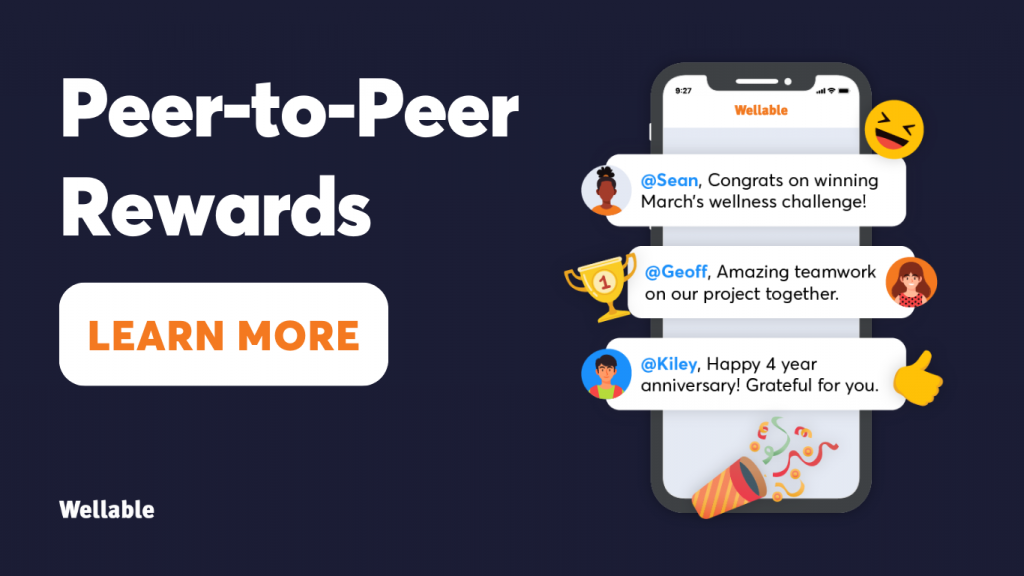
Implement a peer-nominated recognition program where employees can submit endorsements for colleagues who have gone above and beyond. Peer-to-peer recognition can be particularly meaningful because it acknowledges contributions that might otherwise go unnoticed by management. This reinforces a culture where recognition flows not just from the top down but circulates within the team.
Low- and No-Cost Recognition
18. Extended Lunch Break
Offer employees an extended lunch break as a simple way to recognize their hard work and encourage them to recharge. Whether they spend the extra time enjoying a meal with coworkers, running errands, or taking a walk, this thoughtful gesture supports work-life balance while showing appreciation for their contributions.
19. Choose the Next Team Activity
Let employees choose the next team activity as a way to recognize their contributions. Whether they pick the lunch spot, volunteer event, team-building activity, or celebration, giving employees a voice creates a more personalized recognition experience while strengthening team engagement.
20. Birthday Celebrations
Celebrate employees’ birthdays with thoughtful, personalized gestures to show that the company cares about them beyond their work contributions. Bring in their favorite treats, decorate their workspace with balloons and a fun banner, or prepare a card signed by the team. Alternatively, organize a monthly gathering for all employees with birthdays in that month. This could be a short break with snacks and games, or a virtual party for remote employees. Acknowledging birthdays fosters a warm, inclusive culture that helps people feel valued personally and professionally.
21. Work Anniversary Celebrations

Honor work anniversaries to recognize employees’ loyalty and long-term contributions. Consider incorporating traditional anniversary gifts for important milestones, such as paper-based gifts (e.g., cookbooks) for the first year, cotton items (e.g., towels) for the second year, and leather pieces (e.g., notebooks) for the third year. For larger milestones, such as five or ten years of tenure, organize a special celebration with food, decorations, and speeches to express appreciation for their commitment.
22. Early Leave Friday
Surprise your team as a reward for meeting or exceeding a recent goal by dismissing them early on a Friday. Encourage participation from everyone on that team (including leadership) to ensure everyone feels like they can take off early. Offering the afternoon off empowers employees to prioritize their well-being and allows for additional time to relax and refresh after a big accomplishment.
23. Work From Anywhere Day
Reward in-person or hybrid teams by choosing a specific day to work remotely rather than come into the office. Encourage them to work where they feel comfortable and let them enjoy the extra time they would have otherwise spent commuting. This is a simple way to show appreciation while fostering a culture of flexibility and work-life balance.
24. Volunteer Sponsorship
Offer to donate to an employee’s charity of choice when they hit key milestones or make a profound impact on company culture. This meaningful reward shows appreciation while supporting causes that matter to your team, increasing their sense of purpose at work.
25. Team Meals

Set up regular team meals, like weekly lunches or breakfasts, to acknowledge group wins. For example, celebrate hitting your monthly sales target with catered Friday lunches for the next month. This gesture strengthens team bonds and reinforces a culture of achievement.
Experience- and Reward-Based Recognition
26. Wellness Day Pass
Give employees the chance to recharge with a paid day off to invest in their mental, physical, and emotional well-being. Whether it’s a spa day, staycation, hike, or time to catch up on rest, this small but meaningful reward supports their health and fosters a culture of wellness, which can enhance employee engagement. For an added bonus, offer a stipend for the day to encourage employees to try new, wellness-focused experiences.
27. Recognition-Linked Wellness Rewards
Allow employees to unlock wellness rewards, such as fitness reimbursements or mindfulness subscriptions, after earning a certain number of recognition points or nominations. This connects appreciation with employee well-being in a meaningful way.
28. Workspace Upgrade
Let team members choose a workplace upgrade (like a new plant, ergonomic chair, or standing desk) as a thank-you for their hard work. These thoughtful, functional gifts act as daily reminders of the value they bring to the organization and can work for either in-office or at-home workspaces.
29. Commuter Support

Reward employees by covering the cost of their commute for a set length of time. Offer a stipend to help pay for gas, public transit, or parking. It’s a practical, thoughtful reward that reduces friction in their day and reinforces a culture that values employees beyond the workplace. Lifestyle Spending Accounts are a great way to implement these rewards, offering reimbursement opportunities through a simple, customizable system.
30. Surprise Lunch
Organize a surprise lunch to celebrate the team’s hard work. While a classic pizza party is a go-to in many office environments, consider healthy alternatives like gourmet salad bowls, fresh fruit platters, and nutrient-packed smoothies. This helps employees feel valued while supporting their health and productivity.
31. Special Wellness Event
Plan an on-site wellness event to reward team success and provide an opportunity for bonding and fun. You can set specific goals that unlock events throughout the year or simply surprise the team for a recent achievement. From improv and painting classes to chair massages and breathwork sessions, there are a variety of ways to engage your people and show appreciation for their hard work.
32. Team Outings
Reward team success with a fun, stress-free outing, like a bowling night, an escape room challenge, or a casual hike. Team outings provide a chance for employees to bond outside of the office, strengthen relationships, foster team-building, and allow employees to celebrate collective efforts in a relaxed environment.

33. Food Trucks
Bring in local food trucks to celebrate team achievements and give employees a chance to unwind, connect, and enjoy something out of the ordinary. This simple gesture promotes camaraderie, gets people outside, and adds excitement to the workday. Try having the team vote on their food trucks of choice to encourage engagement.
34. Personalized Gifts

Give employees personalized rewards that reflect their hobbies or interests. Flexible options, such as gift cards to a variety of popular retailers or wellness services, give employees the freedom to choose something they’ll personally enjoy. Try to tailor rewards to specific interests. For example, if an employee loves hiking, gift them a high-quality water bottle or hiking gear to show that their individuality is valued.
35. Customized Company Swag

Treat employees to a new piece of company swag with a custom element. For example, embroider a sweatshirt with their name or customize an item that reflects the individual’s accomplishments (e.g., a water bottle with a branded one-year anniversary logo). This reinforces their hard work and provides new opportunities for them to rep the company with pride.
36. Employee Appreciation Day
Set aside intentional time to recognize everyone’s contributions. Whether it’s the official Employee Appreciation Day (first Friday in March) or a date that works for your team, plan a full or half-day celebration. Showing appreciation for your team as a whole fosters gratitude and builds a sense of belonging across the organization.
How Much Should You Budget for Employee Recognition?
An effective employee recognition program doesn’t have to come with a large price tag. While many organizations use 1% to 2% of payroll as a starting benchmark for recognition investments, the right budget ultimately depends on your organization’s size, goals, and workforce. The most successful programs prioritize consistency and meaningful recognition over expensive rewards.
Consider building a recognition program with a mix of initiatives at different price points:
- Free: Public shout-outs, personalized thank-you notes, peer recognition, and recognition during team meetings.
- Low cost ($1–$50): Company swag, gift cards, catered lunches, coffee vouchers, or small appreciation gifts.
- Higher investment ($50+): Professional development opportunities, team events, wellness perks, or employee experience rewards.
Keep in mind that meaningful recognition doesn’t always require monetary rewards. Research suggests that non-financial recognition can account for up to 55% of employee engagement, making authentic appreciation just as important as the reward itself.
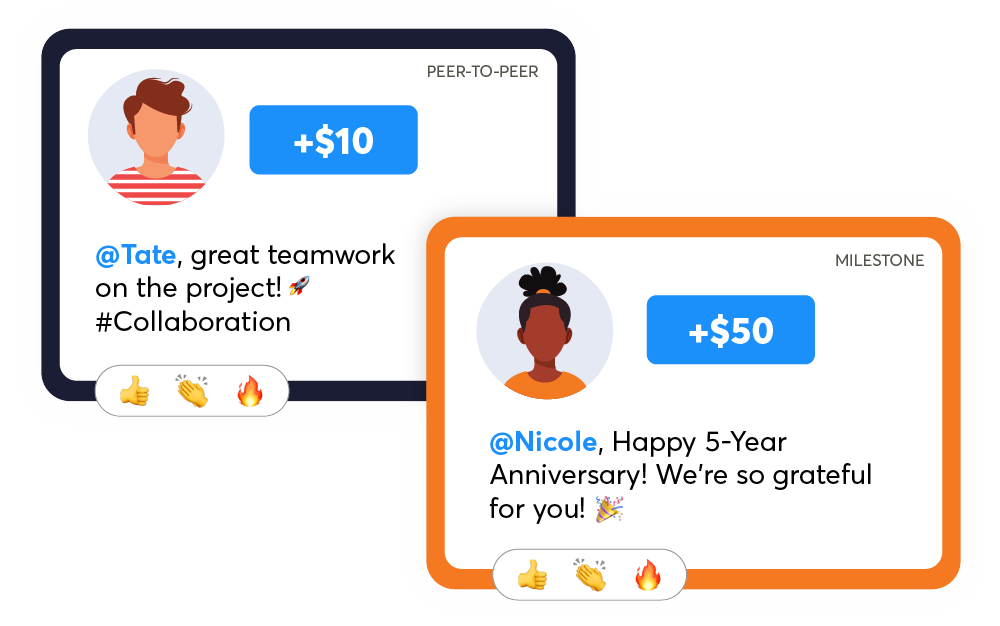
Employee recognition platforms like Wellable also make it easy to deliver meaningful recognition and wellness-based rewards in one place, helping organizations create lasting employee appreciation programs without requiring significant per-employee spending.
Explore NowFrequently Asked Questions
The most effective employee recognition is timely, specific, and consistent. A strong program combines leader and peer recognition, offers public and private recognition options, and connects recognition to company values.
Meaningful recognition doesn’t have to be expensive. Handwritten thank-you notes, public shout-outs, peer recognition, social media spotlights, and flexible scheduling are all simple ways to show appreciation and make employees feel valued.
Employees should be recognized for more than performance metrics. Celebrate achievements such as living company values, reaching milestones, mentoring colleagues, taking initiative, making a positive impact on customers, and giving back to the community.
Recognition should happen regularly, not just during annual performance reviews. Acknowledge everyday contributions as they occur and celebrate major milestones throughout the year to reinforce positive behaviors.
Recognition acknowledges an employee’s contributions or achievements, while rewards are tangible incentives such as gift cards, extra time off, or wellness perks. The most effective employee recognition programs combine both to create a meaningful and motivating employee experience.
This article was last updated on July 30th, 2026
-
Share
-

-

-

-