Wellness
 Rewards
 Recognitions


 Learn more about Wellable's all-in-one
employee engagement platform
Learn more about Wellable's all-in-one
employee engagement platform






Pressed for time? Here’s a quick summary…
- Virtual events help remote and hybrid employees build stronger connections, improve engagement, and foster a greater sense of community.
- The most successful virtual events are interactive, incorporating activities like polls, breakout rooms, games, and live discussions to encourage participation.
- Offering a variety of event types, from wellness sessions and team-building games to learning opportunities and recognition events, helps engage employees with different interests.
- Making virtual events part of an ongoing engagement strategy rather than one-time activities creates more meaningful, lasting benefits for employees and workplace culture.
Introduction
Remote and hybrid work arrangements present unique challenges, including how to keep employees engaged when they aren’t in the office every day. Virtual events are creative solutions that provide opportunities for connection and community regardless of where employees are located. This article outlines 30 virtual event ideas to boost employee engagement.
What Is a Virtual Event?

A virtual event is an engaging digital meeting, typically held over video platforms like Google Meet, Zoom, and Webex. These events can range from quick team-building activities and wellness sessions to trivia games, virtual workshops, appreciation events, and company-wide celebrations. Some organizations also host multi-day virtual experiences, such as wellness weeks, health fairs, onboarding programs, or employee appreciation campaigns that feature a series of scheduled activities and interactive sessions over several days. Whether focused on fun, learning, recognition, or connection, virtual events help remote and hybrid teams engage with one another in meaningful ways while fostering collaboration, creativity, and a stronger sense of community.
LEARN MORE ABOUT WELLABLE’S EVENTS AND 2026 EVENTS CALENDAR
Virtual social events are increasingly essential as organizations work to keep employees motivated and engaged. These gatherings can also foster relationships among participants, enhancing collaboration and workplace dynamics.
How to Make Virtual Events Engaging
A successful virtual event requires more than just scheduling time on a video platform—it needs thoughtful planning to keep employees engaged from start to finish. Create a captivating experience by focusing on these key elements:
- Engaging content: Make activities interactive through live group chats, polls, Q&A sessions, or breakout rooms. This helps keep employees engaged and involved throughout the event.
- Dynamic presentation style: Presentation style can make or break a virtual event. Presenters should be enthusiastic, manage pace thoughtfully, and use visuals effectively to keep employees’ energy levels high.
- Timing and pacing: Virtual events should be concise and well-paced. Unlike in-person events, virtual attendees are more susceptible to screen fatigue. Schedule breaks if the event is long and keep segments short and lively to maintain attention.
- Add gamification: Gamification strategies make virtual events more enjoyable while also helping organizers boost participation. Common tactics include point systems that reward attendees for activities like joining sessions, asking questions, networking, or participating in polls. Leaderboards encourage friendly competition by highlighting top participants and motivating continued engagement.
- Incorporate live polls and surveys: Live polls and surveys help boost engagement by giving organizers real-time feedback and insights into attendee preferences, understanding, and participation levels throughout the event. They can be used for pulse checks, gathering opinions, collecting feedback, breaking the ice, and shaping future events, while also making participants feel more involved in the experience.
- Use breakout sessions: Use breakout rooms to facilitate small-group conversations, collaborative exercises, or peer networking. These sessions help attendees build connections, share ideas more comfortably, and create a stronger sense of community.
- End with live Q&A:. Interactive Q&A sessions help keep audiences engaged by encouraging active participation and creating meaningful conversations between speakers and attendees. They also provide opportunities for clarification, deeper learning, and audience interaction, making the event more personalized, memorable, and valuable for participants.
- Follow-up and continuity: Follow-ups such as thank-you emails, session recordings, additional resources, and action items ensure the event has a lasting effect. Planning a series of events rather than a one-off activity can also help maintain engagement over time.
30 Fun Virtual Event Ideas for Employees
1. Virtual Guess Who
A classic game like Guess Who can engage even the most introverted team members. This relatively low-production event is an excellent way for teammates to get to know one another better.
- Step 1: Ask your team to send in a photo of their family members, pets, or favorite pastime before your meeting.
- Step 2: Create a slide deck using presentation software like PowerPoint or Prezi containing the photographs and hints as to whom each picture belongs.
- Step 3: On the day of the event, invite team members to identify the photo’s owner.
2. Online Scavenger Hunt
Scavenger hunts let team members who are otherwise dispersed around the globe come together to solve problems, making them the ideal real-time team-building event for larger groups.
- Step 1: Divide your employees into groups. Groups can either be comprised of employees from different departments to foster new relationships or from the same teams to strengthen existing camaraderie.
- Step 2: Identify a host who will keep scores, respond to queries, and guide the online scavenger hunt.
- Step 3: Issue challenges and time limits to participants. Tasks can be performed online or offline. For instance, participants can be asked to take a selfie with their pets, bake a homemade cake, or find a particular item from their home. If participants would like to skip a particular task or are unable to complete it, they can opt out and move on to the next one.
- Step 4: Tally up the points! Give the team that completes all the challenges the fastest or in the most inventive way a prize for their victory.
3. Online Award Ceremony

Hosting an award ceremony or party is an excellent way for organizations to show how much they appreciate and care about their team members. Studies have shown that when employees feel respected and appreciated by their managers or colleagues, they are more resilient and satisfied with their jobs.
- Step 1: Develop award categories and encourage everyone to nominate their coworkers for recognition. Involving your team to the best of your abilities will increase engagement with the final event.
- Step 2: Encourage nominees to prepare emotional acceptance speeches before the ceremony. This makes the event more realistic and facilitates a chance to internalize their hard work and the support they get from colleagues around them.
- Step 3: Prepare special rewards for award-winners, such as trophies or gift cards.
4. Virtual Garden Party
For many people, working remotely involves a routine of shuttling from bed to desk and back without the outdoor breaks enjoyed by office workers during their commute. This lack of outdoor exposure can deprive remote workers of the health benefits associated with fresh air. Virtual garden events can remind staff members of the joys of getting their hands dirty while encouraging them to connect with nature and their coworkers.
For a virtual garden party, encourage employees stream the meeting from the great outdoors, whether in their backyard, front porch, or even a small balcony. Some fun activity ideas to incorporate into the event are:
- Decorating the garden
- Arranging flowers with an instructor
- Hosting backyard tours
- Creating cocktails using fresh flowers and herbs from the garden
- Organizing a “coolest sunglasses” competition
5. Virtual Trivia
Trivia questions, while trivial by definition, improve brain health! Hosting virtual trivia is a fun and affordable way to engage employees while letting them share their interests outside of work.
- Step 1: Divide team members into two or more groups.
- Step 2: Choose a host to moderate questions and track point totals.
The host can generate the questions using a random trivia generator. - Step 3: Award winners with prizes, like a gift card or company swag, to encourage employees to participate and recognize their knowledge!
6. Virtual Happy Hour

For many people, after-work happy hours are where camaraderie is built—interactions flow more easily when people are relaxed. This can be hard to do when team members are thousands of miles apart. With virtual happy hours, team members can still hang out and share a few drinks in the comfort of their homes. It also promotes connection and a sense of community, which can help people who work from home feel less lonely.
- Step 1: Select the date and time, and send out virtual invitations.
- Step 2 (Optional): Have teams pick a theme or activity, such as “Craft Beer & Crafts,” to make the event more memorable. Alternatively, plan discussion topics that serve as ice breakers.
- Step 3: Provide a stipend or offer drinks. Include the option for mocktails for those who prefer non-alcoholic beverages so everyone can join in on the fun comfortably!
Coworkers have been going out for drinks after work for generations. By organizing and participating in virtual happy hours, remote employees can carry on the custom with a modern edge.
7. Virtual Charades
Charades is fun and light-hearted while promoting friendly competition. Playing charades online is possible with Zoom’s spotlight capability:
- Step 1: Divide the group into teams.
- Step 2: Create your own themes and ideas, or use a charades idea generator to choose a theme or phrase.
- Step 3: The chosen word or phrase is messaged privately to the selected player. Teams can agree on a time limit (usually one minute). Award points for correct guesses.
8. Virtual Escape Room
A virtual escape room experience is exciting, plus it promotes collaboration, critical thinking, and problem-solving skills.
- Step 1: Select a virtual escape room platform that offers a variety of themed rooms with captivating storylines.
- Step 2: Divide employees into teams.
- Step 3: Brief the teams about the scenario and objective of the chosen escape room.
- Step 4: Teams will need to work together to solve a series of puzzles, riddles, and challenges to progress through the escape room. These puzzles can be logic-based, word-based, or require creative problem-solving.
9. Virtual Code Names
Code Names is a game involving strategy and deduction. It fosters communication skills and critical thinking while sparking friendly competition.
- Step 1: Choose an online platform for playing Code Names.
- Step 2: Divide the team into pairs or small groups.
- Step 3: The game involves providing one-word clues to guide teammates toward specific words on a grid while avoiding clues that could lead them to the opposing team’s words.
- Step 4: Designate one member from each team as the Spymaster. The Spymaster gives one-word clues and a number indicating how many words relate to the clue. The team must guess the correct words without accidentally selecting the opposing team’s words.
- Step 5: Teams take turns deciphering the Spymaster’s clues and making guesses. They aim to uncover words corresponding to their team’s color while avoiding those of the opponent.
- Step 6: The first team to identify all their words wins the round. Celebrate their victory and swap roles for the next round.
10. Virtual Painting Class
Ignite the team’s creativity through a virtual painting class. This engaging event nurtures self-expression and offers a refreshing break from routine.
- Step 1: Select a virtual painting instructor who can guide the team through the artistic process.
- Step 2: Send art supplies to each participant. Include canvases, brushes, paints, and any other necessary materials.
- Step 3: The instructor will lead the team step-by-step through the creation of a chosen painting. Participants follow along, experimenting with colors and techniques while making the artwork uniquely their own.
11. Virtual Book Club

Stimulate intellectual discussions and create a shared reading experience with a virtual book club. This encourages personal growth and offers a platform for thoughtful conversations.
- Step 1: Choose a book that aligns with the team’s interests and has the potential for engaging discussions. Ensure it’s accessible in various formats.
- Step 2: Establish a reading schedule, giving participants ample time to read the selected book. This allows everyone to contribute to the discussion.
- Step 3: Host virtual book club meetings to discuss the reading. Encourage participants to share their insights, opinions, and favorite quotes.
12. Virtual Cooking Class
A cooking class is a fun way to learn new skills as a team, work together to curate a delicious meal, and bond over culinary delights.
- Step 1: Identify an instructor for the class, whether it’s a professional or a voluntary team member who loves to cook.
- Step 2: Select a recipe that’s accessible and suits a variety of dietary preferences.
- Step 3: Send out the recipe and a list of ingredients well in advance. This gives participants time to gather what they need for the cooking class.
- Step 4: During the virtual class, the instructor guides participants through the recipe step-by-step. Participants cook alongside the instructor in real-time.
13. DIY Home Office Makeover
Elevate the remote work experience by organizing a home office makeover event. This activity promotes productivity and wellness by helping employees create a comfortable and inspiring workspace.
- Step 1: Allocate a budget for employees to use for purchasing office supplies, decor, or organization solutions to enhance their workspaces.
- Step 2: Host a follow-up virtual meeting where participants reveal their revamped home offices. Share before-and-after photos and discuss how the changes have positively impacted their work environment.
14. Virtual Movie Night
Bring the joy of cinema to your remote team with a virtual movie night. Send out a survey to determine a film that aligns with the team’s interests. Encourage everyone to grab some popcorn, sit back, and relax as they enjoy a shared movie-watching experience.
15. Virtual Dialogue Space
A “Dialogue Space” provides an optional, non-judgmental environment where team members can engage in open conversations about sensitive and often overlooked subjects like mental health, personal identity, and other “taboo” topics. There’s no rigid format to adhere to—the point is to create an authentic platform where participants can share, listen, and connect, fostering deeper bonds and trust among team members.
16. Virtual Charity Challenge
Combine team building with philanthropy by organizing a virtual charity challenge. This event strengthens team bonds and makes a positive impact on a chosen cause.
- Step 1: Choose a charitable cause that resonates with the team’s values. This could be a local charity, a global initiative, or a cause related to a current social issue.
- Step 2: Set a fundraising goal for the team.
- Step 3: Organize virtual fundraising activities like online auctions and virtual donation drives.
- Step 4: Use your company’s communication channels to share information about the chosen cause, the impact of donations, and the progress toward the fundraising goal. Encourage team members to post about it on their personal social media accounts.
- Step 5: Host a virtual celebration to announce the amount raised and express gratitude to participants. Invite a representative from the charity to share their perspective and the difference the donations will make.
17. Virtual Pet Party
Pet owners will love this activity that puts the focus on their furry friends. Set up a virtual meeting that serves as a showcase for participants to proudly introduce their pets. This heartwarming event not only offers a chance for team members to share anecdotes and stories about their four-legged family members but also creates a sense of connection as everyone bonds over their shared affection for animals.
18. Virtual Yoga Sessions
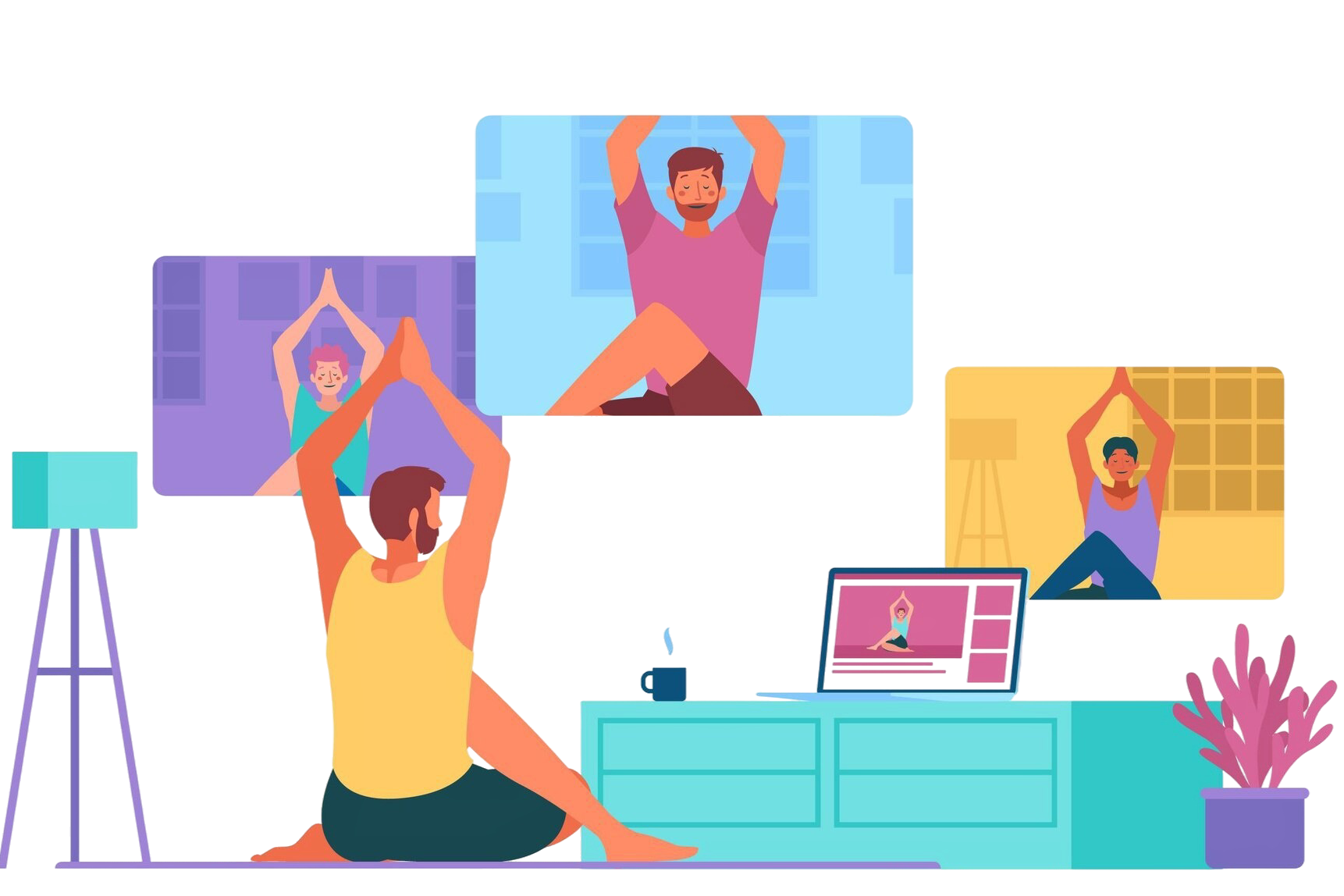
Morning yoga sessions are a great way to help people be active and get the right start to their day. To make it all-level friendly, go with a slower flow, stretch, and incorporate meditation. A special variety of yoga called “Restorative Yoga” can provide a chance for active relaxation, which strengthens the parasympathetic nervous system, lowering heart rate and blood pressure, and stimulating the immune system to reduce the effects of stress-related diseases.
19. Virtual Coffee Breaks
In the office, many people find coffee breaks a valuable time to catch up with coworkers or discuss quick work questions. Many organizations see the importance of facilitating these organic interactions even in the virtual setting, creating a “space” where employees can still spend time with their colleagues without having to set up a formal meeting or conference call.
- Step 1: Choose a time block that coincides with when people usually grab a cup of coffee (e.g., first thing in the morning, around 11 AM, or early afternoon).
- Step 2: Create a virtual meeting room and share the link with everyone on the team. Make it easily accessible, either through a recurring meeting invite or pinned in a group chat channel/bulletin board.
20. Private Social Media Groups
Online socials are not limited to video calls; try creating channels on work communication tools such as Teams or Slack where employees are encouraged to share more about their personal life and foster friendships among coworkers.
For instance, teams can:
- Initiate a “Throwback Thursday” challenge where employees share their old photos.
- Post pictures of famous groups, such as Disney characters or famous bands, then ask group members to tag each character with a teammate.
- Share delicious meals, whether they are home-cooked or takeout.
21. Virtual Lunch and Learn
A lunch and learn encourages employees to expand their knowledge while enjoying a meal. This event promotes continuous learning and can be organized weekly or monthly.
- Step 1: Select a subject that resonates with your team. This could range from professional development topics (e.g., leadership skills or industry insights) to personal interests (e.g., wellness, financial planning, or hobbies). Invite an external expert or have an employee share a skill or passion.
- Step 2: Schedule the event during lunch hours and send virtual invites with the agenda and learning materials.
- Step 3: Encourage employees to bring their lunches and use interactive features like polls, Q&A sessions, and breakout groups to keep everyone engaged.
- Step 4: After the presentation, allow time for open discussion and questions.
22. Virtual Health Observance Awareness Event
National health observances provide meaningful opportunities to highlight important wellness topics and inspire positive change among employees. Choose a health observance and organize an educational presentation or virtual activities around it.
For example, on International Day of Happiness in March, encourage employees to share what brings them joy in their daily lives and challenge them to keep a gratitude list throughout the month. For National Safe Toys and Gifts Month in December, host an educational session covering tips on choosing age-appropriate and safe toys (particularly helpful for employees with young children). Create a quiz or trivia game on toy safety to make it even more interactive.
Leveraging national health observances for virtual events provides year-round thematic ideas and can promote engagement in any broader wellness initiatives.
23. Virtual Mindfulness Session

Help employees recharge mentally and physically with guided mindfulness exercises. Research shows that brief digital mindfulness programs can significantly reduce stress, burnout, anxiety, and job strain while improving overall well-being and work engagement among employees.
- Step 1: Invite a certified mindfulness coach or meditation instructor to lead the session.
- Step 2: Encourage participants to join from a quiet, comfortable space with cameras optional to create a relaxed environment.
- Step 3: Guide employees through mindfulness practices such as focused breathing, grounding techniques, short meditations, or mindful stretching.
- Step 4: End with optional reflection prompts or gratitude sharing to encourage connection.
24. Virtual Appreciation Event
Recognizing employees for their hard work and contributions can strengthen team morale and foster a culture of appreciation. A virtual appreciation event creates a dedicated space for coworkers to celebrate one another, share gratitude, and highlight accomplishments in a fun and engaging way.
- Step 1: Schedule a virtual gathering and encourage employees to come prepared with shoutouts for their coworkers. These can recognize achievements, teamwork, creativity, leadership, or acts of kindness.
- Step 2: Use interactive tools like the chat function, polls, or a virtual whiteboard where participants can post encouraging messages and words of appreciation throughout the event.
- Step 3: Create fun categories or prompts to inspire participation, such as “Best Team Player,” “Most Positive Attitude,” or “Above and Beyond.”
- Step 4: Celebrate participants with small incentives like digital badges, company swag, gift cards, or random prize drawings to keep the energy high and encourage engagement.
25. Virtual Music Jam or Playlist Exchange
Music can be a powerful way to bring people together, spark conversation, and help employees connect through shared interests. A virtual music event gives team members an opportunity to discover new songs, share personal favorites, and unwind together in a relaxed setting.
- Step 1: Choose a theme for the playlist, such as “focus music,” “songs that motivate me,” “summer favorites,” or “throwback hits,” and invite employees to submit their favorite songs.
- Step 2: Compile the submissions into a shared playlist using a music streaming platform like Spotify or Apple Music and distribute it to the team before the event.
- Step 3: Host a virtual listening session, music trivia game, or discussion where employees can share why they chose certain songs and discover common musical interests with coworkers.
26. Virtual Around-the-World Experience
Take employees on a virtual global tour with an “Around the World” event that celebrates cultural diversity, encourages learning, and helps team members connect through shared stories and experiences. This immersive event allows employees to “travel” to different countries, cities, or cultures without leaving home.
- Step 1: Invite employees to volunteer as “tour guides” for a country, city, region, or culture that is meaningful to them. This could be where they are from, somewhere they have traveled, or a place they are passionate about learning more about.
- Step 2: Choose a few destinations to spotlight during the event. Each “tour guide” can share travel photos, favorite foods, traditions, music, holidays, landmarks, or fun cultural facts.
- Step 3: Add interactive elements to make the experience more engaging. For example, employees can teach a few simple phrases in another language, lead a virtual cooking demonstration of a regional dish, showcase meaningful objects, or share a short playlist.
- Step 4: Incorporate live experiences when possible, such as a cultural dance demonstration, recipe walkthrough, virtual museum tour, or short storytelling segment about local customs and traditions.
- Step 5: End with a themed trivia game based on what employees learned during the event. Award small prizes for participation, most creative presentation, or highest trivia score.
27. Virtual Jeopardy
Bring out employees’ competitive sides with a virtual Jeopardy game that combines teamwork, problem-solving, and plenty of laughs. This interactive activity encourages collaboration while giving participants a fun break from their regular work routines.
- Step 1: Choose a virtual Jeopardy platform or create your own game board using presentation software like PowerPoint or Google Slides. Select categories that align with employee interests, such as pop culture, travel, wellness, sports, company trivia, or fun facts about team members.
- Step 2: Divide participants into teams and assign a host to moderate the game, keep score, and guide players through the rules and categories.
- Step 3: Teams take turns selecting categories and point values while collaborating to answer questions within a set time limit. Encourage teammates to communicate and strategize using breakout rooms or team chats if needed.
- Step 4: Include a mix of easy, challenging, and humorous questions to keep the game engaging and accessible for everyone. Consider adding themed rounds or surprise bonus questions for extra excitement.
- Step 5: Conclude the event with a “Final Jeopardy” round and celebrate the winning team with prizes such as gift cards, company swag, or bragging rights.
28. Virtual Vision Board Workshop
Help employees reflect on their personal and professional aspirations with a virtual vision board workshop focused on creativity, motivation, and goal setting. This uplifting activity encourages participants to think intentionally about what they want to accomplish while connecting with coworkers in a meaningful way.
- Step 1: Invite employees to gather materials ahead of time, such as magazines, printed photos, sticky notes, markers, or digital design tools like Canva or Pinterest if they prefer to create their boards online.
- Step 2: Begin the session with a short, guided reflection or goal-setting exercise. Encourage participants to think about goals related to wellness, career growth, travel, hobbies, relationships, or personal development.
- Step 3: Give employees dedicated time to create their vision boards while listening to music or chatting casually in breakout rooms. Participants can include inspiring quotes, images, words, or milestones they hope to achieve.
- Step 4: Invite employees to share parts of their vision boards with the group and discuss a few goals or intentions they are most excited about. Participation should remain optional to keep the environment comfortable and supportive.
29. Virtual Team Bingo
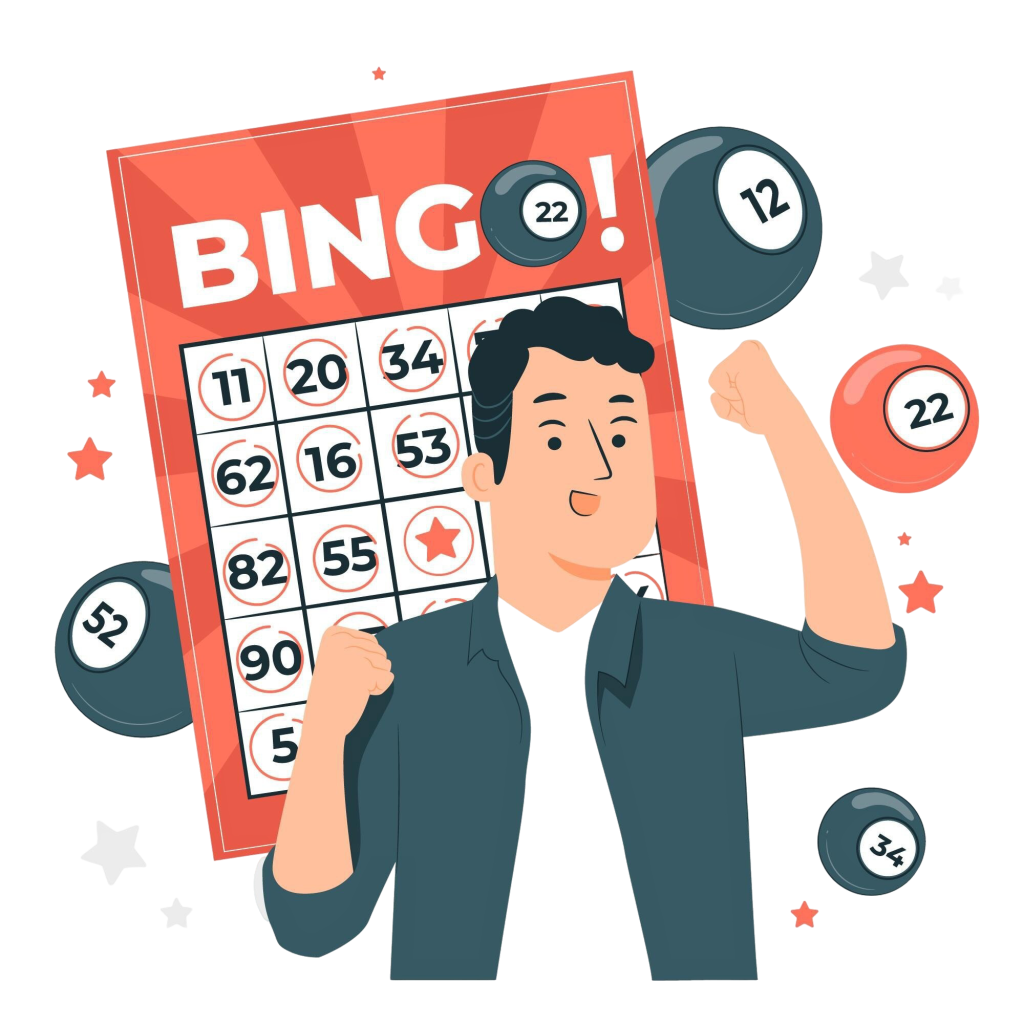
Bring employees together with a virtual bingo activity that encourages conversation, connection, and friendly competition. This simple, interactive event is easy to customize for workplace culture, holidays, onboarding, wellness campaigns, or team-building initiatives.
- Step 1: Create digital bingo cards with prompts such as “Has a pet on camera,” “Uses a standing desk,” “Has traveled to 5+ countries,” “Speaks more than one language,” or “Has completed a wellness challenge.”
- Step 2: Set up the activity using a speed-networking format where employees are randomly paired with a different coworker each round in breakout rooms or networking software. Give participants a few minutes per round to introduce themselves and discuss the bingo prompts.
- Step 3: As employees discover matches, they fill in the corresponding bingo squares using that coworker’s name. To encourage broader networking, participants can only use each coworker’s name once per bingo card.
- Step 4: Continue rotating participants through new pairings until someone completes a row, column, diagonal, or full card. Invite winners to share fun facts they learned about their coworkers throughout the activity.
30. Remote “Desk Swap” Tour
Encourage employees to share a glimpse into their workspaces, personalities, and daily routines with a virtual “Desk Swap” Tour. This casual activity helps coworkers connect on a more personal level while exchanging productivity tips and creative workspace ideas.
- Step 1: Invite volunteers to give short virtual tours of their desks or workspaces during the meeting. Employees can participate from home offices, kitchen tables, coworking spaces, or wherever they typically work throughout the day.
- Step 2: Encourage participants to highlight favorite desk items, organization systems, productivity tools, plants, artwork, or meaningful decorations that make their workspace unique.
- Step 3: Allow coworkers to ask questions, swap organization ideas, and share their own work-from-home tips or setup recommendations. This can spark conversations around wellness, comfort, productivity, and creativity in remote work environments.
- Step 4: Add a fun interactive element by having employees vote on lighthearted categories such as “Coziest Workspace,” “Best Background,” “Most Creative Setup,” or “Best Use of Small Space.”
Additional Tips to Engage Employees
Virtual events are a powerful tool for boosting employee engagement by encouraging team members to connect, collaborate, and have fun, even when working remotely. However, virtual events alone are not enough to fully engage a diverse workforce. To complement these events and further increase engagement, organizations should consider the following additional strategies:
- Training and coaching employees: This is a great way to foster a culture of continuous learning beyond skill development for job performance. Thoughtful training regimens also convey that companies value their personnel and believe in their abilities.
- Develop career paths: Promoting internal advancement opportunities is crucial for sustaining engagement and motivation. Encouraging team members to take on new challenges within their role and explore diverse career paths enhances their commitment to their work.
- Encourage spontaneous interactions: Beyond organized virtual events, encourage team members to meet for virtual coffee chats or begin meetings with quick, casual check-ins. These spontaneous activities help create a positive, connected culture organically.
- Recognize and reward employees: The secret to establishing successful employee engagement is rewarding employees for excellent work. Giving them incentives like gift cards and cash awards is a great motivator. Reserve time to thank your staff for their efforts during meetings and company-wide events.
Conclusion
Done right, virtual events allow organizations to engage employees in meaningful ways. They should not completely replace in-person interaction but can add value and still promote employee engagement at a fraction of the cost. To realize the full benefit of these online socials, organizations will need to move beyond one-off events and develop a comprehensive strategy. The bottom line? Sending out a Zoom link and hoping for the best is not enough.
Frequently Asked Questions
Virtual events for employees are online activities designed to help remote and hybrid teams connect, collaborate, learn, and have fun. These events can include team-building games, wellness workshops, virtual happy hours, educational sessions, recognition programs, and company celebrations conducted through video conferencing platforms and other digital tools.
Virtual events help employees build relationships, feel connected to their colleagues, and maintain a sense of belonging regardless of location. By creating opportunities for interaction and collaboration, virtual events can boost morale, strengthen company culture, and support higher levels of employee engagement.
Successful virtual events are interactive, well-organized, and aligned with employees’ interests. Features such as live polls, breakout rooms, gamification, Q&A sessions, and engaging presenters help keep participants involved and reduce virtual meeting fatigue. Clear communication and post-event follow-up can also improve participation and impact.
The ideal frequency depends on organizational goals and employee preferences. Many companies host monthly or quarterly virtual events, while others incorporate smaller activities such as virtual coffee chats or wellness sessions on a weekly basis. Consistency is often more important than frequency when building engagement over time.
Popular virtual team-building activities include online scavenger hunts, trivia games, escape rooms, charades, virtual bingo, cooking classes, and collaborative challenges. The best activities encourage participation, communication, and relationship-building while accommodating different personality types and interests.
Yes. Virtual wellness events can help employees manage stress, improve work-life balance, and build healthy habits. Examples include mindfulness sessions, yoga classes, health observance events, educational webinars, wellness challenges, and workshops focused on mental, physical, or financial well-being.
Organizations can increase participation by offering a variety of event types, gathering employee feedback, scheduling events at convenient times, incorporating incentives or prizes, and ensuring activities are inclusive and accessible. Promoting events in advance and clearly communicating the benefits of participation can also improve attendance.
Virtual events can be highly effective for hybrid teams because they create a shared experience for employees regardless of where they work. By providing equal opportunities for participation, virtual events help strengthen connections between remote and in-office employees and foster a more inclusive workplace culture.
This article was last updated on July 7th, 2026
-
Share
-

-

-

-