Wellness
 Rewards
 Recognitions


 Learn more about Wellable's all-in-one
employee engagement platform
Learn more about Wellable's all-in-one
employee engagement platform






Pressed for time? Here’re key takeaways…
- Burnout is reshaping the workplace, forcing organizations to prioritize company culture to sustain performance and retain talent.
- A strong workplace culture grounded in recognition, psychological safety, clear values, and leadership accountability reduces stress and strengthens resilience.
- Managers play a pivotal role in preventing burnout by modeling healthy behaviors, clarifying expectations, supporting development, and fostering open dialogue.
- Organizations sustain performance by intentionally supporting employees with flexible work arrangements, protected focus time, meaningful connection, and clear goals that align individual purposes with organizational priorities.
Today’s Biggest Workplace Battle: Burnout
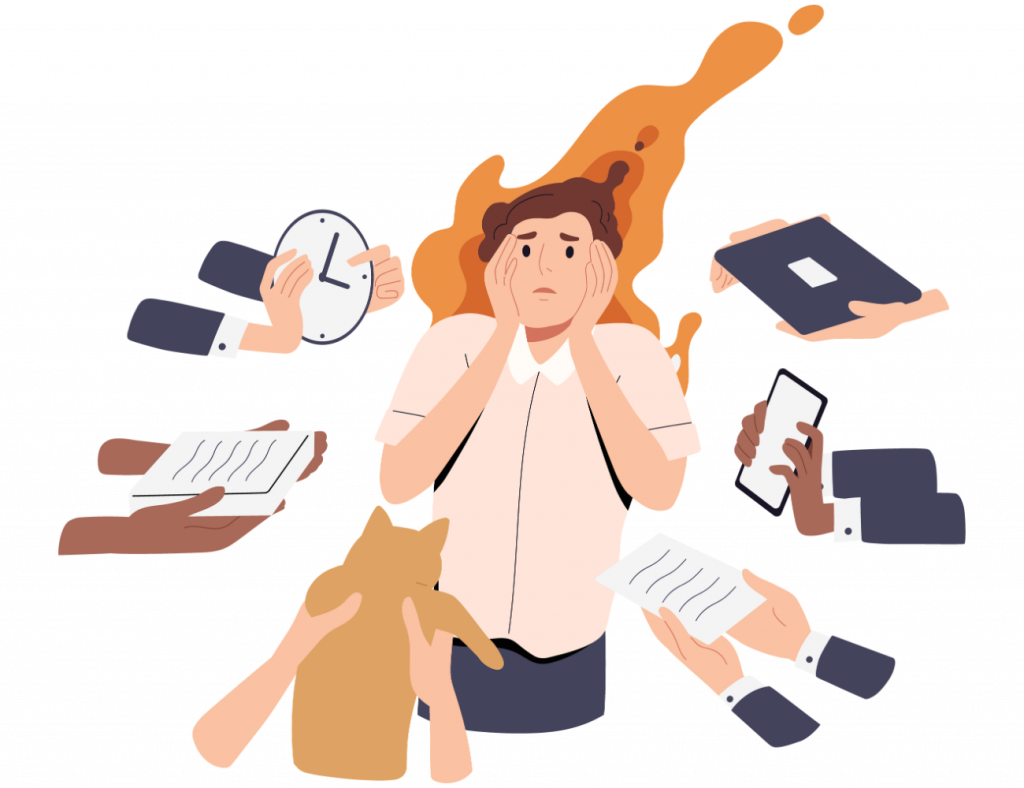
Though the modern workplace is moving fast, employees are running on fumes. Recent surveys show that 55% of U.S. employees and 48% of global employees report feeling burned out at work, driven by financial strain, economic and political uncertainty, and rapid advances in artificial intelligence (AI). When exhaustion and disengagement become chronic, it quickly shows up in performance metrics. Seventy-two percent of employees say burnout diminishes their efficiency, and 71% report it hurts overall job performance. With burnout closely tied to lower productivity, higher absenteeism, and increased turnover, strengthening company culture is imperative to protecting performance, engagement, and long-term organizational resilience.
Why Does Company Culture Matter More Than Ever?
Company culture refers to the shared values, norms, leadership behaviors, and everyday practices that shape how work gets done and how employees feel while doing it. A positive workplace environment—where employees can perform at a high level without sacrificing their health, morale, or sense of purpose—can buffer against stress rather than amplify it. Research shows that employees who believe their organization prioritizes well-being are 73% less likely to report burnout, and those who feel valued and respected report significantly lower levels of chronic workplace stress. In a society where professional and personal pressures continue to intensify, strengthening culture is an effective way to reduce strain and prevent burnout before it escalates.
10 Strategies to Improve Company Culture
1. Implement Employee Recognition Programs
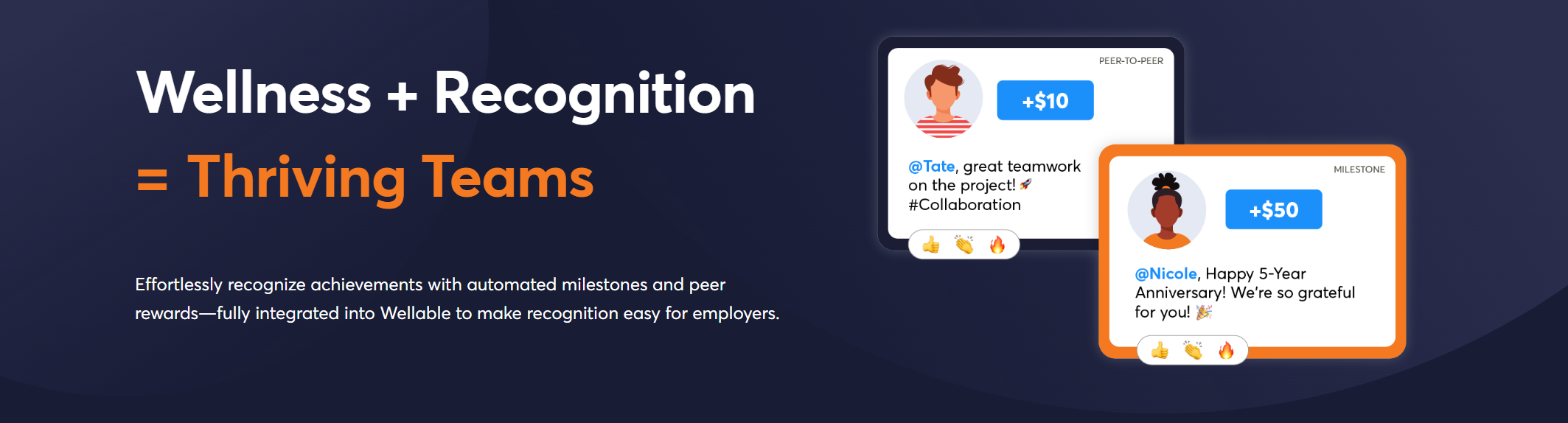
A strong employee recognition program is structured, consistent, and aligned with company values. It goes beyond occasional praise and becomes embedded in everyday workflows, reinforcing outcomes and effort. When recognition is timely and specific, it strengthens purpose by helping employees see how their contributions matter. For example, 45% of employees who are recognized monthly or more are highly engaged at work, and 90% say they are more likely to put in extra effort when their work is noticed.
Manager-led recognition reinforces performance expectations and growth, signaling what the organization values. Peer-to-peer recognition builds everyday connection and belonging by encouraging appreciation across teams. The best employee recognition programs combine both types of acknowledgment to create consistent, multidirectional praise that strengthens trust, motivation, and engagement.
2. Actively Build Psychological Safety
Psychological safety is the belief that employees can raise concerns, ask questions, or admit mistakes without fear of retaliation or embarrassment. Without it, issues related to workload, unclear expectations, lack of support, or job security remain unspoken, allowing stress to build and engagement to decline. Over time, this silence contributes to burnout, especially as employees balance workplace demands with financial strain and economic uncertainty. The business impact is significant. Gallup estimates that low engagement costs the global economy $8.8 trillion annually in lost productivity, and research shows that toxic workplace culture is 10.4 times more powerful than compensation in predicting turnover. When employees feel unheard, trust erodes and disengagement accelerates.
Leaders can reverse this pattern by proactively creating space for honest dialogue through consistent one-on-one check-ins, anonymous pulse surveys, workload audits, and manager training on navigating difficult conversations with empathy. When employees see that feedback leads to action, trust strengthens, stress becomes more manageable, and performance becomes more sustainable.
Psychological Safety Spectrum for the Workplace
| Low Psychological Safety | High Psychological Safety |
|---|---|
| Discourage feedback | Encourage open dialogue |
| Punish or criticize mistakes | Discuss mistakes as learning opportunities |
| Ignore workload concerns | Normalize conversations about capacity |
| Lead through fear or hierarchy | Build trust and mutual respect |
| Experience declining engagement | Foster higher engagement and innovation |
| Increase burnout risk | Sustain performance overtime |
3. Invest in Employee Skills Development
Ongoing learning fuels engagement by giving workers a sense of growth and forward momentum. When employees see a clear path to develop new skills and advance their careers, work feels purposeful rather than stagnant. For example, research shows that opportunities to learn and grow are among the top drivers of retention, and employees who lack development opportunities are significantly more likely to leave.
Upskilling is especially important amid rapid AI and technology shifts. Many workers are concerned about automation’s impact on their roles and want stronger employer support in building future-ready skills. By investing in development (e.g., educational presentations, AI training, mentorship, tuition reimbursement) and outlining clear career pathways, organizations reduce job security anxiety, strengthen loyalty, and create a culture where progress, rather than uncertainty, defines the employee experience.
4. Provide Manager Mental Health Training

Managers are the frontline defense against burnout and shape the daily employee experience, accounting for at least 70% of the variance in employee engagement. As the first point of contact for workload concerns and performance shifts, they must be equipped to recognize early warning signs of mental health strain, such as withdrawal, irritability, sudden drops in performance, increased absenteeism, missed deadlines, or noticeable changes in mood and communication. Training in empathy, active listening, and supportive leadership behaviors enables managers to address challenges early, reduce stigma, and foster stronger trust across teams.
Mental health training also normalizes conversations about stress and capacity. Companies can invest in mental health first aid programs, resilience workshops, inclusive leadership training, and communication or conflict resolution skill-building sessions to provide practical tools for managers. When leaders handle sensitive conversations with confidence and care, employees feel supported, engagement strengthens, and retention improves.
Training Resources
- Mental Health First Aid
- Notice.Talk.Act.® at Work
- Workplace Mental Health Ally Certificate
- Workplace Mental Health Training for Managers
5. Support Flexible Work Arrangements
Flexible work arrangements give employees greater control over when and where work happens, reducing stress and improving balance. Examples include hybrid schedules, fully remote work, flexible hours, compressed workweeks, and reduced-hour roles. Research shows that employees who work in their preferred location—whether remote, hybrid, or on-site—are significantly more engaged and report higher well-being than those who do not.
Flexibility also helps employees better manage caregiving and personal responsibilities while increasing trust and job satisfaction. As more employees prioritize work-life balance and autonomy, flexible policies are a central factor in retention. Organizations that embed flexibility into their culture create conditions for sustainable performance without compromising employee well-being.
6. Encourage Breaks and Time-Off
Sustained performance requires recovery. Regular breaks—such as short walking meetings, screen-free lunch periods, stretch breaks, mindfulness sessions, or brief resets between meetings—improve focus, creativity, and cognitive stamina. Even microbreaks throughout the day help prevent mental fatigue and support sustained productivity. When stepping away from work is normalized rather than discouraged, employees return with greater clarity and energy.
Time off is equally important, yet many employees hesitate to use it. A recent survey found that 49% of U.S. workers feel anxious about taking paid time off, 61% worry about returning to more work, and nearly one in three fears being seen as less committed if they disconnect. This hesitation perpetuates chronic stress. Research shows leaders can shift the narrative by modeling healthy boundaries, taking time off themselves, and respecting off-hours time. When organizations position rest as a strategic investment in performance rather than a sign of disengagement, they foster resilience and long-term sustainability.
7. Protect Focus Time (and Use It Wisely)
Modern work is increasingly defined by interruption. Employees spend an average of 57% of their time in meetings, emails, and chats, leaving limited room for focused work. Additional research shows it can take more than 20 minutes to refocus after an interruption, making constant context-switching a major drain on productivity and cognitive energy. When attention is fragmented, stress increases, and meaningful, high-impact work gets crowded out by low-value tasks.
Organizations can counter this by intentionally protecting focus time. Initiatives such as “No-Meeting Mondays,” designated quiet hours, and calendar-blocked deep-work sessions create space for sustained concentration. Because needs vary, encourage employees to identify when and how they work best, reinforcing autonomy and flexibility. Leaders can further support this effort by clarifying priorities and reducing unnecessary meetings, ensuring attention is directed toward work that drives real impact.
8. Cultivate Social Connection

When employees feel they truly belong, they gain a sense of support and shared purpose that strengthens their ability to navigate stress. Research shows that employees who have a best friend at work are significantly more likely to be engaged and thriving, while workplace loneliness is associated with higher stress and lower job performance. In high-pressure environments, meaningful connection fosters emotional steadiness and deepens commitment to collective goals, helping employees stay energized.
Organizations can foster social connection through intentional touchpoints, such as cross-functional mentorship pairings, employee resource groups, team-based challenges, peer recognition spotlights, virtual coffee chats, and structured onboarding buddies. Informal Slack channels, volunteer events, and periodic team offsites can further strengthen relationships beyond day-to-day tasks. When connection is intentionally embedded into operations, communication opens, collaboration improves, and employees are more likely to seek support early, reducing isolation and reinforcing team resilience.
9. Lead with Core Values
Clearly defined core values create alignment by helping employees understand what the organization stands for and how decisions are made. During periods of uncertainty or rapid change, values provide direction and stability, reducing ambiguity that can heighten stress. According to one survey, employees who believe their organization acts consistently with its stated values are significantly more likely to report job satisfaction and intent to stay. When leaders consistently model core values in their decisions and communication, trust and credibility increase across teams.
To ensure organizational values shape behavior rather than branding, they must be embedded into daily operations. This includes integrating values into hiring, onboarding, performance reviews, recognition programs, and leadership development. Leaders can reinforce alignment by praising employees who exemplify company values and clearly linking strategic decisions back to those principles. When values are operationalized across systems and behaviors, they create consistency, strengthen a sense of shared purpose, and help prevent the disengagement that often accompanies uncertainty.
10. Set Clear Goals and Create a Path to Achieve Them
Unclear expectations are a common source of workplace stress. When priorities shift or success is undefined, employees waste energy navigating ambiguity instead of making progress. Clear, measurable goals provide direction and focus. Research shows that employees who strongly agree they know what is expected of them are significantly more engaged. Breaking large objectives into smaller milestones further increases motivation and accountability, while aligning individual goals with company priorities reinforces purpose and connection.
To put this into practice, organizations can translate high-level objectives into team and individual targets with defined timelines and success metrics. Regular one-on-one check-ins, simple progress tracking systems, and periodic priority reviews help maintain alignment and adjust when needed. Encouraging employees to pair performance goals with development goals also strengthens ownership. When expectations are visible and consistently reinforced, employees can focus their energy confidently, reducing stress and sustaining momentum.
Frequently Asked Questions
-
Share
-

-

-

-