Wellness
 Rewards
 Recognitions


 Learn more about Wellable's all-in-one
employee engagement platform
Learn more about Wellable's all-in-one
employee engagement platform






Short on time? Here are the key takeaways:
-
Launching wellness initiatives in January can tap into employees’ natural motivation for healthy change in the new year.
-
Inclusive and varied programs that include elements like movement challenges, gratitude walls, or digital detox days encourage broad participation across your workforce.
-
Year-round engagement is sustained through monthly themes, micro-challenges, feedback loops, and regular recognition.
-
Measuring success with a VOI (Value on Investment) framework highlights the full impact of wellness efforts beyond just healthcare savings.
As the new year approaches, organizations have a unique opportunity to introduce or rethink wellness initiatives at a time when many are already thinking about their health and well-being. While traditional New Year’s resolutions often focus on fixed goals or strict outcomes, workplace wellness should take a more flexible, empowering approach by introducing fresh, fun, and inclusive ways to kickstart well-being in 2026.
Rather than putting pressure on employees, workplace wellness resolutions can inspire curiosity, foster connection, and support sustainable steps toward greater health, purpose, and balance across different wellness dimensions. When launching new wellness challenges or programs, it’s also important to implement strategies that help employees establish healthy habits that carry into the rest of the year and beyond, transforming short-term motivation into lasting momentum.
15 Engaging Wellness Initiatives for the New Year
Launch one or more of these initiatives early in the year to kickstart a new wellness program or strengthen existing efforts.
1. Step or Movement Challenge
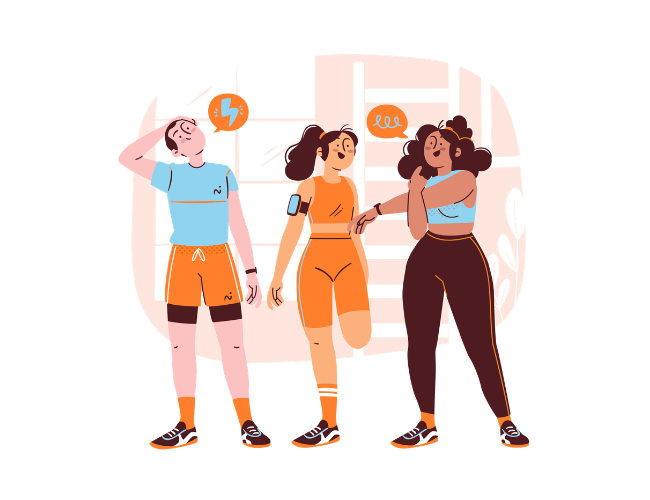
Encourage employees to increase daily movement through a steps or activity-based challenge. Use wearables or fitness apps to track progress, offering prizes for hitting milestones or points tiers. For added inclusivity, incorporate alternatives like seated yoga or guided stretching breaks to ensure everyone can participate comfortably.
2. Hydration Challenge

Launch a hydration challenge encouraging employees to track their water intake daily. To enhance learning, share tips on topics like hydrating foods or the science behind optimal hydration. You can also provide branded reusable water bottles or subscriptions to hydration apps to boost participation.
3. Healthy Recipe Swap
Cultivate a culture of nutrition by inviting employees to share their favorite healthy recipes each week. Create a joint cookbook or Slack channel for submissions. Weekly themes like “Plant-Based Mondays” or “Fiber-Focused Fridays” can promote education and variety. Consider hosting a virtual lunch-and-learn with a nutritionist to kick off the challenge.
4. Digital Detox Days
Excessive screen time contributes to burnout and poor sleep. Encourage digital detox days by challenging employees to unplug after work, during lunch, or for one hour each evening. To enhance the initiative’s impact, host an educational webinar on mindful tech use or resources on related topics like the impact of blue light on sleep.
5. Financial Wellness Bingo
Create a bingo card with financial tasks such as “Attend a budgeting webinar,” “Review your credit report,” or “Set a savings goal.” Incorporate activities that span knowledge building, behavior change, and goal setting. Participants aim to “fill” their bingo card by a set date for a chance to win a wellness-related prize or gift card.
6. Gratitude Challenge
Daily gratitude can enhance emotional well-being and workplace culture. Encourage employees to document three things they’re grateful for each day, or write thank-you notes to peers every week. Display responses in a digital gratitude wall or incorporate them into team meetings to foster connection and peer-to-peer appreciation.
7. Mindful Mornings
Encourage five to ten minutes of morning mindfulness, including breathwork, meditation, or positive intention-setting. Provide access to guided mindfulness exercises through apps or lead live virtual sessions to build community and boost engagement.
8. Creative Expression Challenge
Invite employees to engage in or share creative projects like painting, poetry, or photography to help relieve stress and promote cognitive flexibility. Host virtual show-and-tells, offer supply stipends, or collaborate with local artists to put on themed workshops.
9. Sleep Challenge
Share resources on establishing a sleep routine, reducing screen time, and creating a restful environment to encourage employees to create new sleep habits. Run a challenge that tracks sleep consistency and celebrates those who maintain a healthy rhythm over a set time.
10. Kindness Campaign
Foster workplace empathy with a kindness campaign. Ask employees to perform acts of kindness daily or weekly, such as paying for a coworker’s coffee, holding a door for a stranger, or sending an encouraging message to someone in their life.
11. Green Habits Challenge
Bridge sustainability and work life by encouraging green behaviors like reducing office waste, walking or biking to work, or choosing plant-based meals. Offer tips on eco-friendly habits and reward sustainable swaps. Integrate the challenge with Earth Day (April 22nd) to connect with broader initiatives.
12. Reduce Added Sugar Campaign
Minimizing added sugar improves energy, focus, and long-term health. Support employees through this challenge by offering snack guides, label-reading tips, and low-sugar recipes. Acknowledge creative substitutions and sustained commitment, but ensure that the focus is a balanced diet, not extreme avoidance.
13. Team Step Relay
Turn steps into team bonding. Divide employees into small groups and track cumulative or average steps to achieve a shared distance goal like “walking across the country” or reach set tiers. This encourages camaraderie, healthy competition, and collective wellness wins.
14. Wellness Passport
Create a passport of wellness activities spanning various dimensions like physical, mental, financial, social, and environmental. Employees earn stamps by completing activities like meal prepping or attending a wellness workshop, and reach tiered incentives based on participation levels or accumulated points.
15. Purpose and Passion Challenge
Invite employees to reflect on what energizes them by running a purpose-focused challenge. Encourage them to pursue a passion project, volunteer, or learn a new skill. Use prompts or vision board exercises to help employees reconnect with their personal purpose and share reflections with the team.
How to Maintain Wellness Program Momentum Year-Round
The most effective programs integrate initiatives and challenges within a sustainable, long-term wellness strategy. Below are best practices for keeping engagement high beyond January:
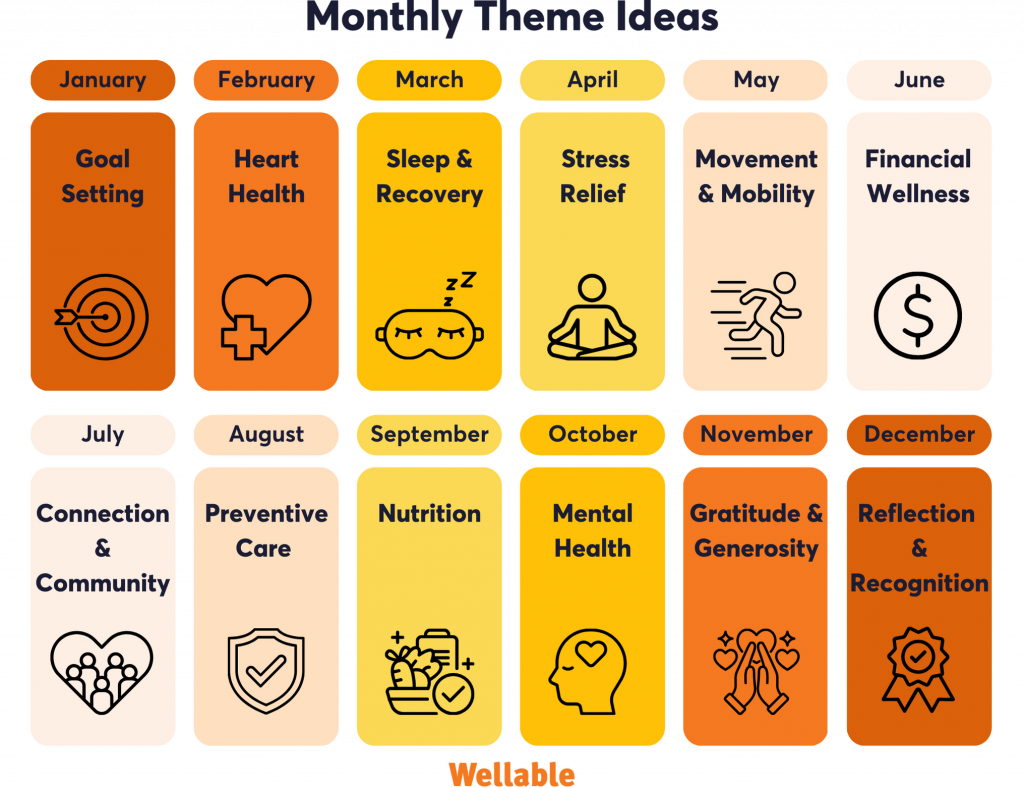
- Monthly Themes: Plan the year around key topics such as ‘sleep’ in March during Sleep Awareness Month and ‘gratitude’ in November to align with the holiday season. A thematic structure creates rhythm and relevance and helps maintain employee interest.
- Micro-Challenges: Between big events, offer mini goals like “Meditation Mondays” or “Walking Meeting Wednesdays.” These lower-effort actions help maintain momentum without feeling like there are too many initiatives
- Employee Feedback: Create pulse surveys, suggestion boxes, or polls to understand what employees want out of the wellness program. This helps keep content responsive to real workforce needs and creates deeper employee investment in the program.
- Ongoing Recognition: Acknowledge progress year-round for wellness program participation and work-related accomplishments. Monthly shoutouts, milestone badges, or extra program points sustain morale and boost engagement.
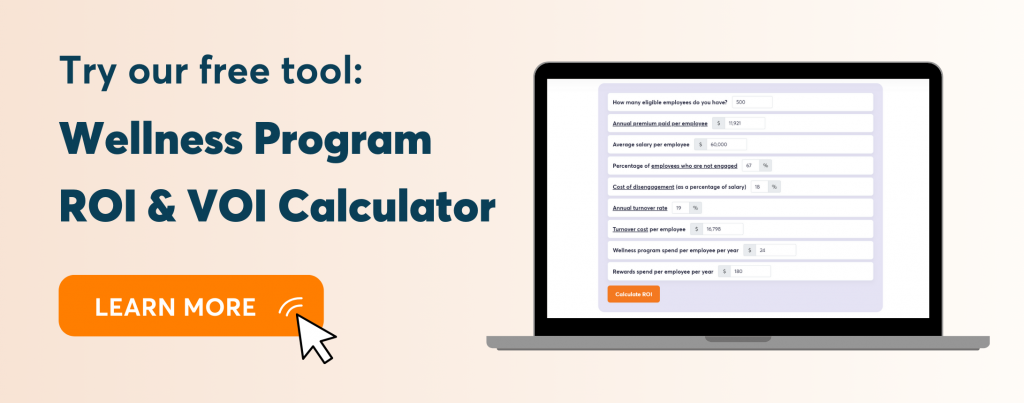
- VOI Framework: Shift from measuring program success solely by Return on Investment (ROI) to using a Value on Investment (VOI) approach by tracking engagement, productivity, participation, and retention metrics. This captures the full value of the program beyond just health care cost savings which helps gain leadership buying and ongoing support.
- Flexible Work Integration: Promote holistic well-being by embedding flexibility into broader company policy. This could include options like flextime, sabbaticals, or hybrid work arrangements, which help employees manage personal well-being while supporting productivity and team connection.
New Year wellness challenges are a launchpad, not a finish line. With creativity, inclusivity, and intentional design, January initiatives can become a catalyst for year-long well-being, resilience, and connection.
Frequently Asked Questions
-
Share
-

-

-

-